This is a transcript of a talk I gave at Mind the Product in San Francisco on July 17, 2018, lightly edited to remove terrible jokes. For more information about Mind the Product, some of the products mentioned in the talk and more, skip to the bottom of the page to the unnecessarily long transcript.
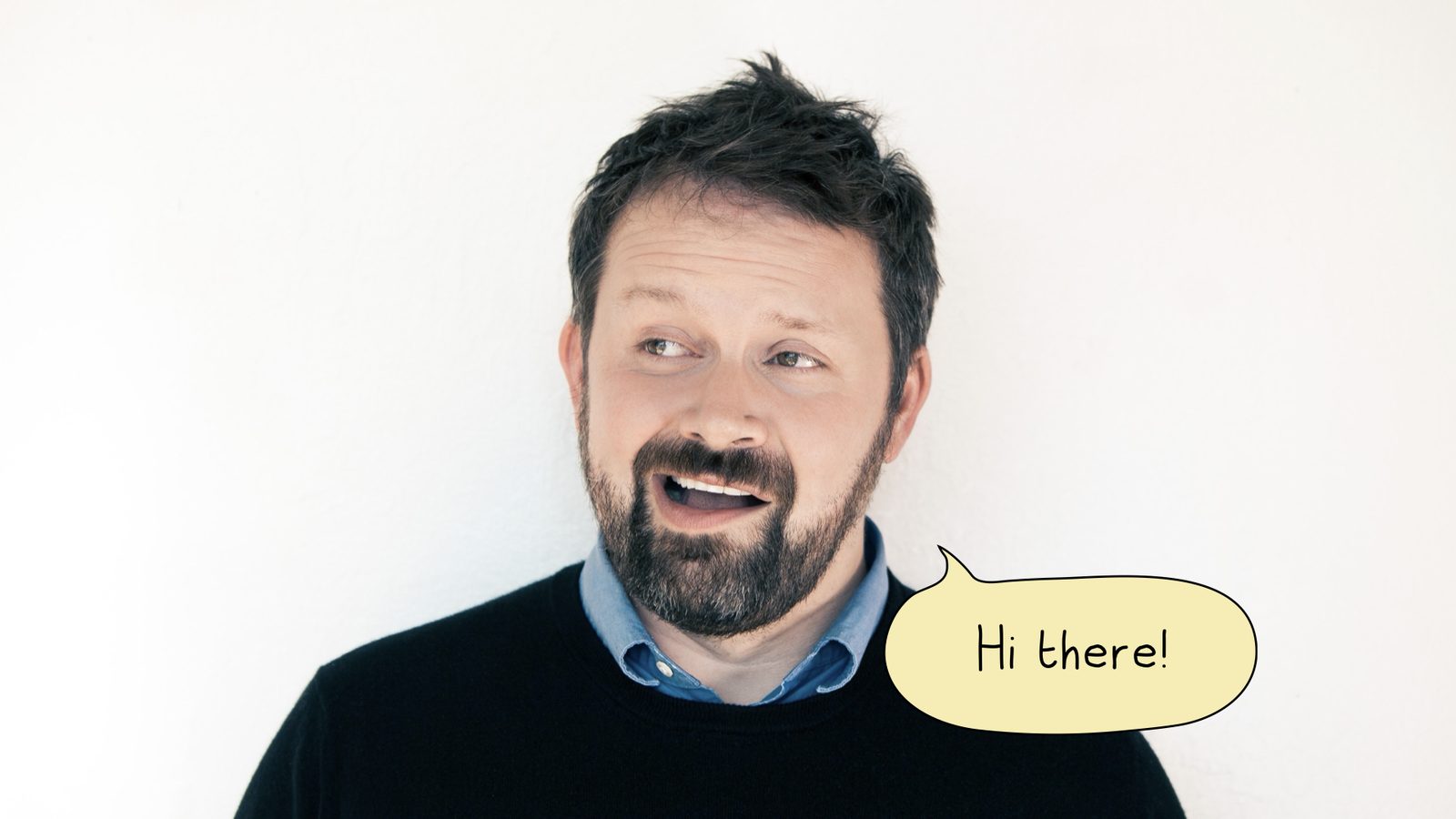
Hi there! I am Tom Coates and I design and develop new products for a living. Just in case you can’t see me from the back, this is what I look like when I’m being super cool.
I’ve been designing and building things now for almost twenty five years, since my first websites at University - thankfully all now lost to the depths of history.
And since then I’ve developed dozens of software products for large and small companies across the world. I’ve worked for Time Out, for a company in the UK called UpMyStreet, I ran an R&D team at the BBC developing new ideas and product strategy, I’ve developed several products for Yahoo, where I was also Head of Product for their new product incubator - Brickhouse. I’ve run my own consultancy, Product Club, through which I’ve developed product ideas for Nokia and Jawbone…
And most recently, I built out my own start-up Thington, which was about making better software for smart homes.
This is what Thington was like. A universal remote control for smart homes and a smart assistant to help you bring everything together.

My co-founder Matt Biddulph and I sold Thington last year to eero, the mesh wifi company - where - once again, I was working with a great team of people to develop new product ideas, some of which—I live in hope—may one day see the light of day.
And that doesn’t even include the stuff I’ve done for fun - for the love - which are just as important, if not more so. The point I'm trying to make here is that Making stuff is awesome.
Developing new product ideas with smart people is, I think, the most fun thing imaginable. The whole process makes me very happy. I haven’t in my life found any feeling more rewarding than to work hard to think through and build something and then put it out in the world for people to engage and play and react to it.
I genuinely think it’s a process that speaks to everything that is great about being human - making something to make other people’s lives more fun, or better, or easier or to help them collaborate with other people to make something great themselves - it’s just the best.
But while the goal is brilliant, honestly the bit I like most is just the experience of thinking through a problem, or looking at a part of the world that’s broken and seeing ways you can change it or make it better. Whether it’s a huge hit or a total flop, if you’ve put your heart into it, it’s just the most rewarding and brilliant feeling I know.
And yet, it’s a feeling I think many people in our industry today aren’t particularly familiar with.
When I started in tech, the industry was much, much smaller, and far, far less professional than it is today. Pretty much everyone I knew who joined the industry had been an amateur creator, making and sharing what they made for years beforehand.
I remember going to meet a bunch of bloggers in a pub in London in 2001 and finding them to be the most insanely creative and fun bunch of people. Below is a picture of them, taken on an early digital camera. There must be ten or twenty people I met on that day at the Rat & Parrot that I’m still friends with today - and genuinely among those people are some of the most influential and creative people working in tech. I’m in this photo, as are a design leader in Google AI, two founders of the Berg Design Consultancy, a co-founder of Slack, a leader in the New Zealand Arts Council, a number of prominent journalists and activists and load of other awesome people. I’m the one highlighted in blue.

But that was an easier time, without so much competition, the technologies were simpler, and there wasn’t such a barrier to entry.
Today, your introduction to tech as an industry might be straight from college, working hard to learn the basics of business or design or engineering, before going into an entry-level role in a large organisation - from there working really hard and putting all your effort into designing, engineering or thinking through the business possibilities of other people’s products .
And because of that, I think a lot of the people I’ve talked to who came into the industry that way feel a bit lost when it comes to finding and developing new product ideas from scratch.
They’re perhaps familiar with the lean start-up methodology of taking an idea and testing and iterating on it - or any number of the other development processes that exist - but they’re much less confident about where that idea comes from in the first place.

It seems to them to be something that only a magical group of ‘founders’ can do, in moments of profound inspiration - something that might have been taught in a class that they somehow missed, or perhaps some kind of magical power that some people know how to access but which is invisible and unobtainable to normal people.
I’ve met a lot of people over the years waiting for the big idea to strike. And I’ve met even more people who are creative and interesting and brilliant—people who could make such interesting and extraordinary things—who have somehow decided they’re not capable.
I’ve also met people who have had an idea in their head for years and years and have never progressed with it, or put it under pressure or checked it makes sense.
So this is what I thought I’d talk about today. A closing keynote is supposed to be inspiring. It’s supposed to get you motivated and walking out the door with joy in your hearts and full of enthusiasm to get to work. So today, I’m going to talk a bit about where ideas come from, where they don’t come from, how to sanity check them, and how every single person in this room is more than capable of coming up with them.

I’m going to do that by telling you a couple of the processes and techniques I’ve learned over a couple of decades developing new product ideas. This is not a complete story, it’s a complicated area, and I have to admit I’ve struggled to digest it all down into a short presentation, but this is stuff that has worked for me, and I hope will work for you.
I should add - no promises this will make you a billionaire. It certainly hasn’t made me one. Yet.
But with any luck it will leave you in a better position to go out and change the companies you work for, be inspired to make your first start-up, or help you bring clarity to your existing one.
But more importantly, if it helps you get past some of your fears and discover the love of finding, developing and making new products for people, that’s enough. Because it’s that joy that has carried me over the last twenty five years. The joy of doing something For the love.
Okay, now let’s leap in with the talk proper - with PART ONE. And yes, I know this slide is absurd. As I said, I’m learning all this new stuff for fun and I can’t help myself. There’s more insanity to come.
So let’s start off with the absolute basics. What even is an idea?
This may seem like a facile, even stupid question, but I think it’s really important to be clear about what I’m talking about.
Product development has grown a lot over the last decade and we now know that products grow and evolve over time. That where you start is not where you end.
The entire lifecycle of a product is a continual process of evolution and development, we are always in the process of refining and developing the core concept. And while elements over time reveal themselves to be more core or more foundational, a static product idea that never changes or evolves is - medium term - the surest way to a dead product.
So when I talk about a product idea today, this is what I’m going to be talking about, and it looks a little like this:
Thington
The Product:
We help people make their homes smarter, safer, cheaper and nicer to live in by:
- Helping them discover new smart devices
- Make it easy to set up those devices
- Uniting all their devices in one remote control
- Helping them share those controls with visitors
- Making it easy to automate their homes to:
- Discourage burglars
- Track energy usage
- Alert them of problems
- Turn off unused devices
- Personalize their homes
The Market:
- Affluent early/majority-adopter consumers
- Primarily Gen X and Millennial
- Initially tech savvy, aiming for lifestyle audience
- Mixed male/female
The Money:
Upsell/revenue share of new products and consumables, matched to the user based on usage data. Possible revenue from installer networks, insurance companies or software licensing.
The Brand:
Simplicity, humbleness, assistance, presenting IOT gadgets as part of doing up your home.
This is the kind of thing I’m talking about. It’s definitely a lot more developed than many people’s idea of a starting idea, I know, but that’s what makes it so useful. I suppose in some ways it’s a bit like a super cut-down version of a Business Model Canvas, or the lightest of lightweight Product Requirement Documents, or like a slightly more elaborate user story.
This is roughly where we started off with Thington. Don’t feel a particular need to read it. It’s a bit embarrassing reading it back now.
But you can see the core parts - roughly what the product is supposed to do for someone, the core features that should meet that need, who you’re making the product for, and where the money comes from that will support the project. Maybe it has something about the brand in it too.
Now, some of you are going to be looking at this and thinking about phrases like PRODUCT/ MARKET FIT or whatever and thinking about how it can take months or even years of work to find the perfect encapsulation of your product. And you would be absolutely 100% correct.
Again, that’s not what this is. This is not supposed to be perfect. This is not supposed to last. This is an attempt to find a clear and focused starting point from which to work, which holds up under some scrutiny. You can get to something like this, in my experience, in a couple of weeks of thinking and exploring, and it’s a great place to get to before you start building out your very first prototypes.
It is the thing that primes the pump.

And then this (or again any other process you like) is the pump - testing your hypotheses in the real world with real data and real customers and starting the process of iteration towards the perfect product.
The second thing I want to talk about is the context in which ideas are formed and developed.
In particular I want to draw your attention to this diagram that I think you’ll all be familiar with - and have seen in fact a number of times today. It shows the three major disciplines and areas that most people in tech work within.
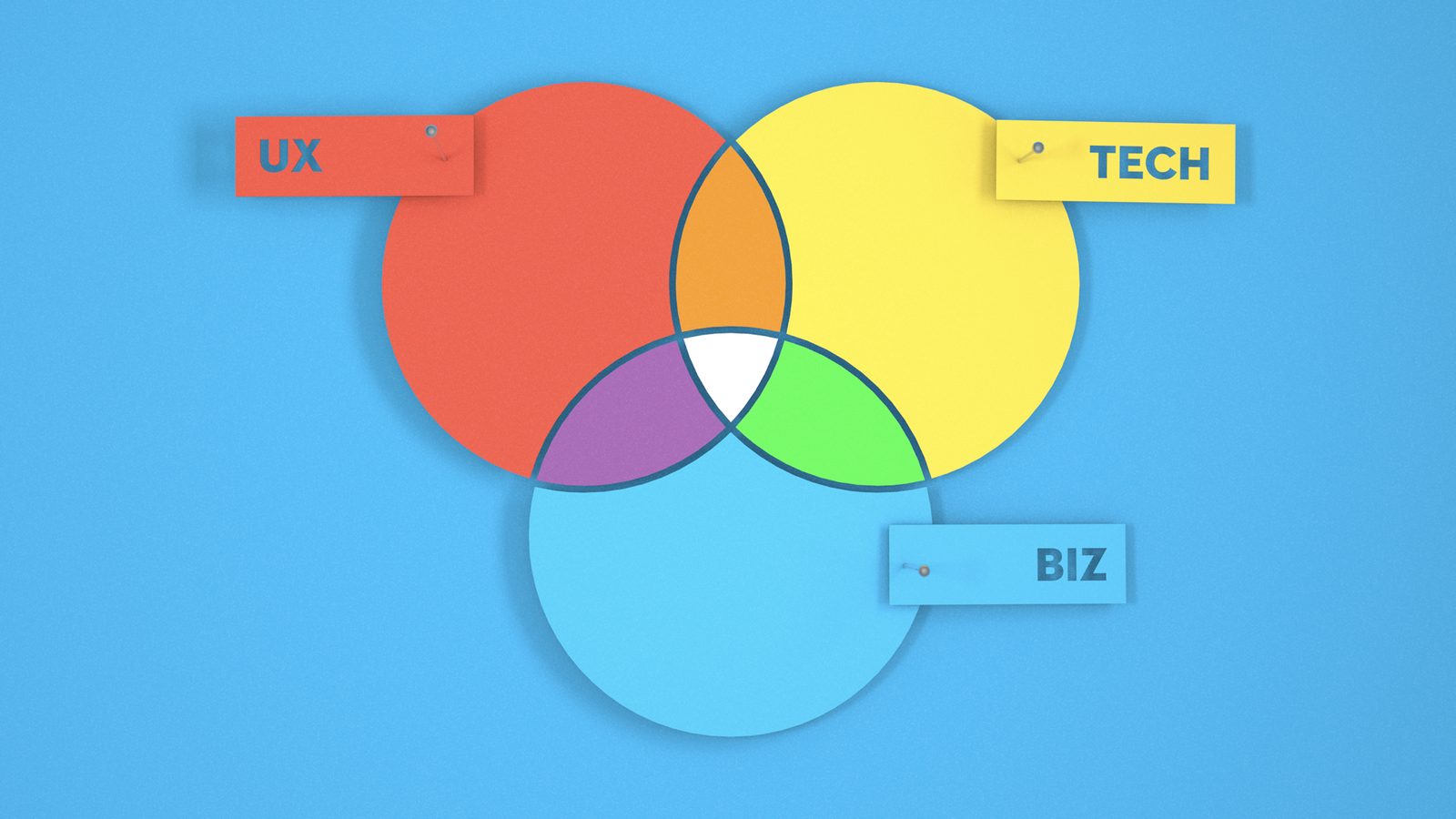
You see that space in the middle, the overlapping area that's white? That's where product people operate. That's you!
This by itself is a useful and clear point to make, but I think you can take it further. In my experience, each one of these disciplines represents a perspective fundamental to the understanding and development of a new product - as well as useful conceptual space in which you can plot idea development.
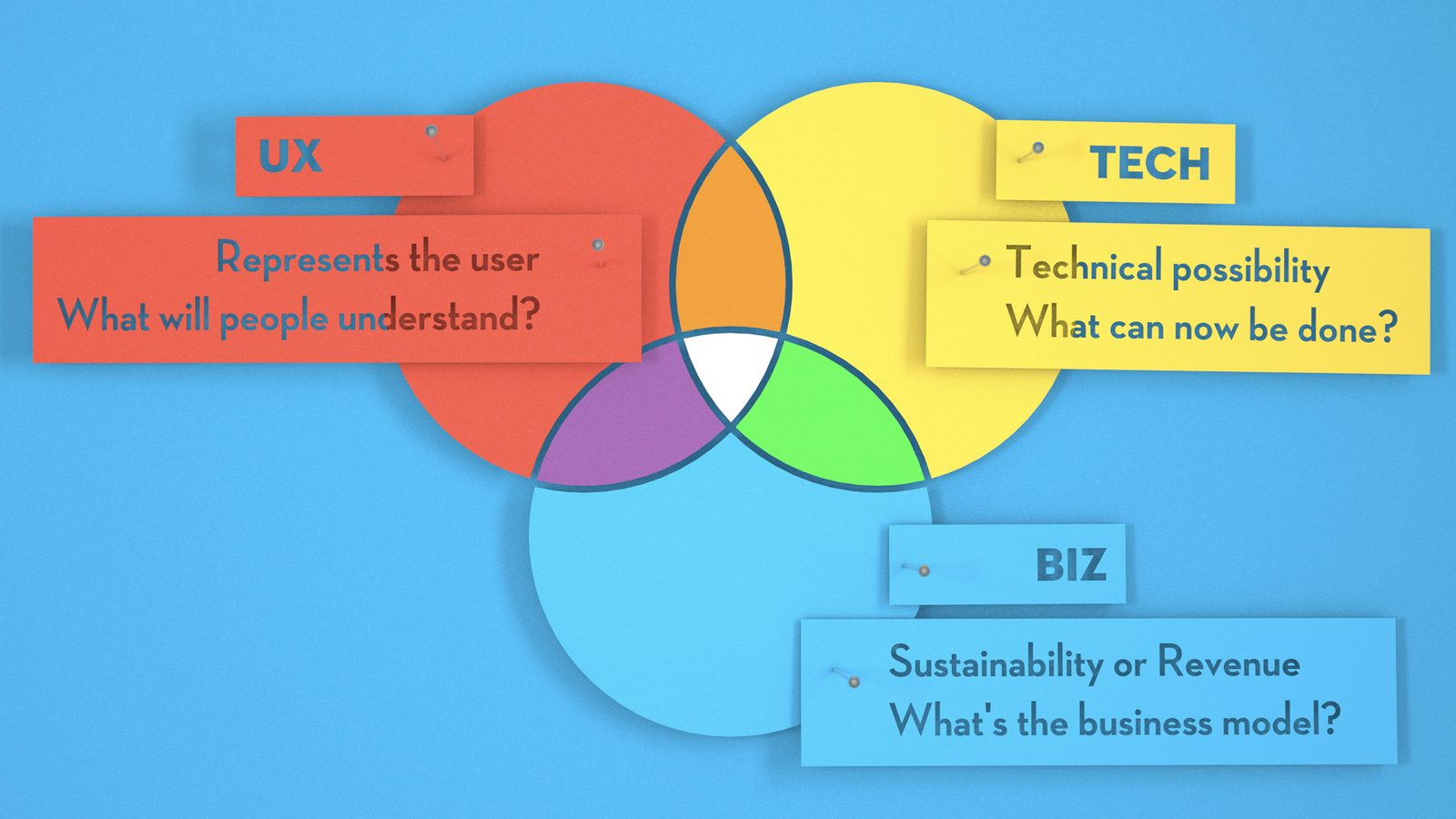
UX fundamentally exists to represent the user - they are there to understand user needs, to feed those needs into the product development process and, in turn, to take the functionality of the product and make it understandable to those users.
The tech and engineering teams represent the realm of possibility. They’re the ones who can observe new techniques and technologies and spot their potential, and are there to deliver on that potential.
And the business teams are the ones looking out for the financial possibilities of a product as well as the markets for the product. They’re the ones keeping track of new business models, getting a sense of what people will pay for.
If your product idea doesn’t represent users needs, isn’t technically possible and isn’t sustainable, then it isn’t an idea at all, it’s a dream.
This is as true if you’re just one person developing an idea as it is if you’re working in large company.
The most important point I’m trying to make here is that the germ of a new product idea can genuinely come from any of these groups. Someone can spot a new user need and that can inspire a new product. Or a new technology can emerge with untapped possibilities and that can be your starting point. Or business people can spot a gap in the market, or a brand new business model and that can be the foundation.

No product team can deliver unless all three disciplines are involved
Every product idea should be sanity checked from each of these three perspectives”
But also, in my opinion, no product idea is fully developed until all three disciplines have weighed in from their perspective and found some kind of consensus.
This doesn’t have to be a huge enterprise by the way. When we were doing Yahoo Brickhouse down the road in SOMA, we simply said any new product team at its minimum constituted a design lead, someone to represent the business and a tech lead.
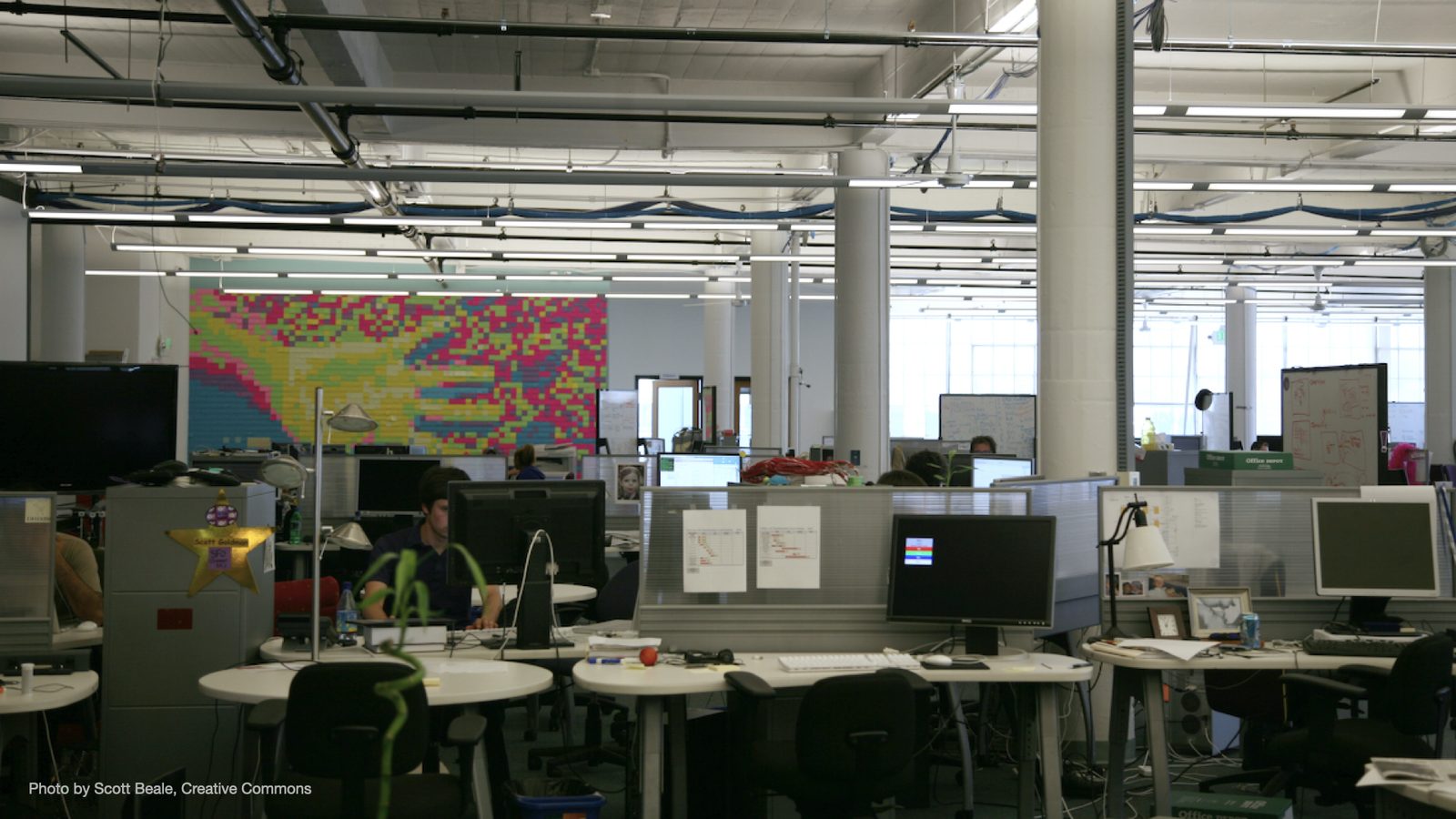
Those three were responsible for working out the core vision between them, and whichever one of those three held the idea most closely was also nominal product lead.
I honestly found this to be a really great way to form the core of a team, and if you’re in a large organization trying to find a structure for new product development, I couldn’t recommend it strongly enough.
Okay, so we have as else of what an idea looks like, and we know that it can come from any part of our team. But HOW does it appear? How does it happen? Does it just appear from nowhere?
No. It does not. Ideas are not divine inspiration. They are work.
The foundational story, no pun intended, of Silicon Valley is the magical founder, who one day in the bath comes up with a fully-formed and brand-new idea that has never been conceived of before.
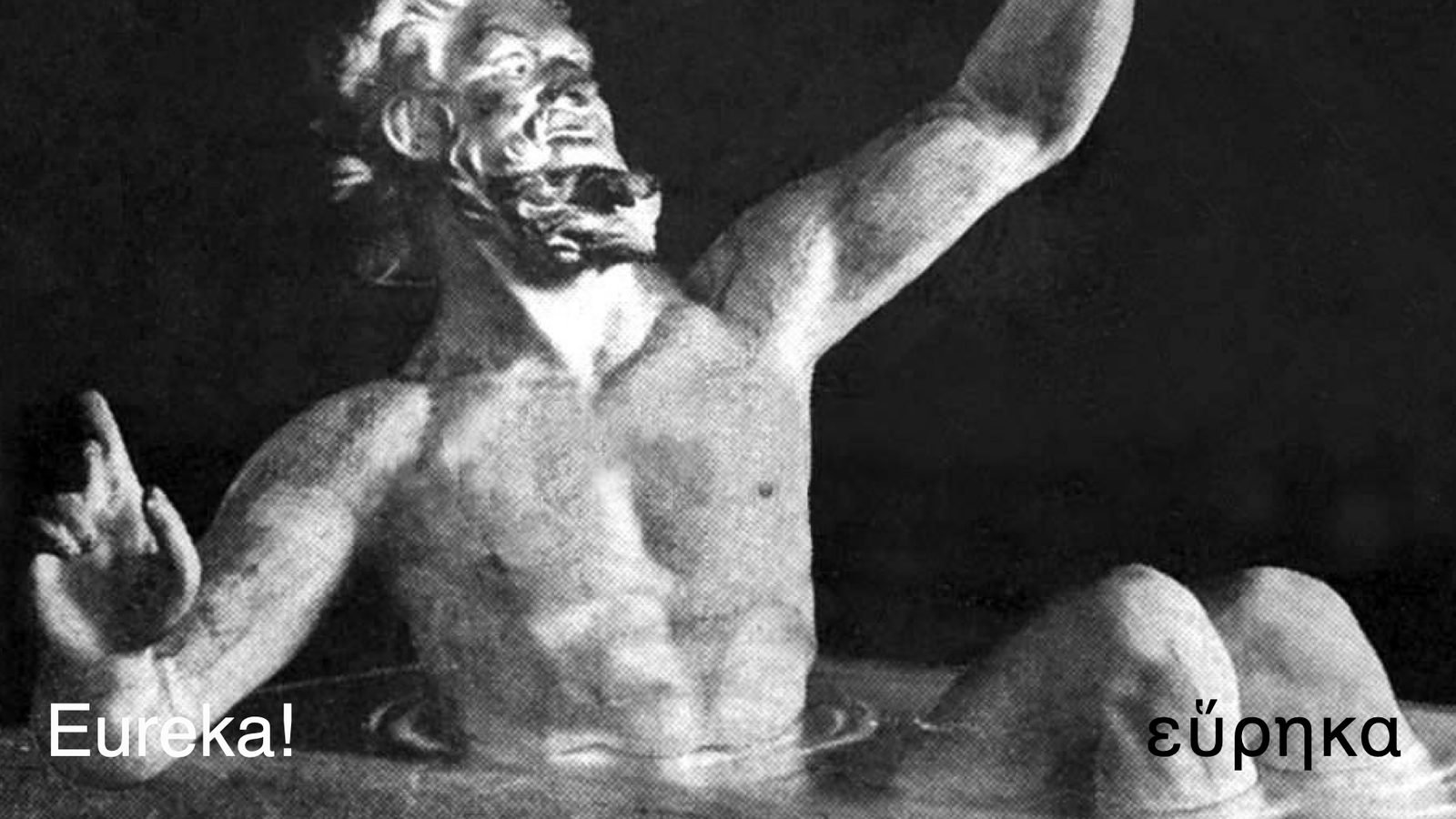
The story is a bit like Archimedes, the Elon Musk of Ancient Greece, here presented literally having a bath. He’s the one who needed to figure out the volume of some silver and figured out that he could do so by dropping it in a full bath and measuring how much water poured out. EUREKA! He shouted. I’ve FOUND it!
The myth in tech, that hopefully we’re all too old and wise to believe, is that Eureka moment is somehow everything. And all the work that comes afterwards is just the unfolding of that story, because it was that first insight—and that first insight alone—that propels the the trajectory and momentum of that product, of that website or app or service. And it that sublime moment of brilliance suddenly and for all time marks them out as a genius and differentiates them from them the rest of us.
Now I want to make it clear before I start, a lot of founders are really clever, insightful, savvy, even devastatingly witty and attractive people. After all, I am a start-up founder.
But honestly, still, this myth is basically bunk.
This is another picture of Archimedes and this—at least on the bad days—feels a lot closer to the reality of the process to me. Let’s zoom in on the face.

… now who among us hasn’t been there? That to me is the face of someone coming up with a product idea. It’s a face of irritation, frustration, concentration, focus. It’s a face based on WORK.
I’m not sure what process he’s going through there, but when he gets through that process he’ll 100% deserve a good Eureka. That’s going to feel REALLY good.
And of course that’s the truth of the matter - good ideas come from work. It’s not necessarily work consciously undertaken at the beginning of the project, it’s not always work that it’s easy to see from the outside, but it’s always work. Let me give you some examples.
The first example I want to give you the author Stephen Johnson calls, “The Slow Hunch”. He talks about ideas that appear to come out of nowhere but have actually been stewing for years and years and years.
The person involved has been thinking about an area for a really long time, turning it around in their head, learning lots about it, experimenting, playing, making little exploratory forays, and then - finally - one day it all comes together in what APPEARS to be a sudden revelation.
This is one of the most common examples of hidden work that lies behind large breakthroughs in tech - or really in any area.
The example he gives is of Tim Berners-Lee inventing the World Wide Web.
I’d like to read you an excerpt from an interview that Johnson did with Kevin Kelly: “One pattern I call the "slow hunch", that breakthrough ideas almost never come in a moment of great insight and a sudden stroke of inspiration. Most important ideas take a long time to evolve, and they spend a long time dormant in the background. It isn’t until the idea has had two or three years - sometimes 10 or 20 years - to mature, that it suddenly becomes successful to you and useful to you.”
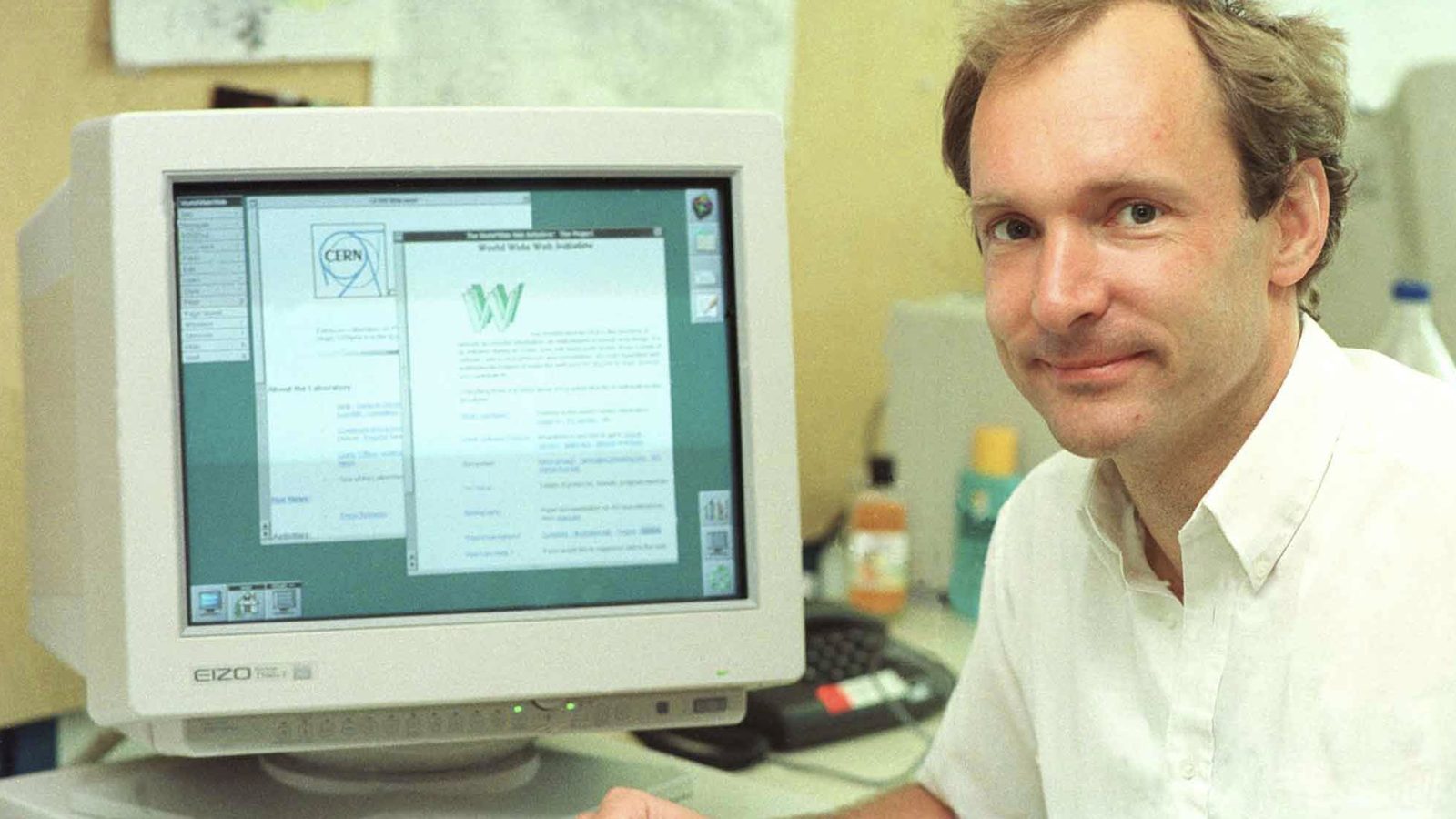
“[Tim Berners-Lee] started working on one project to help him organize his own data. He scrapped that after a couple of years and he started working on another thing and only after about ten years did the full vision of the world wide web come into being.”

Let’s quickly visualize that process of finding the product on our Venn. I’ve put the World Wide Web up there with a big red pin to make it easier to see.
This project started off with some technology and only really the vaguest sense of what could be done with it. It was only over time that Berners-Lee found the user needs and the UX, and even longer after that before they figured out how the project would be funded.
In this case the World Wide Web Foundation ends up being funded via grants, charitable donations and member dues. It’s not all about profit.
Gradually, over time, through work, the project moves from the periphery of one of these areas into the center, and that’s where you’ve got a product idea that is solid. I guess this is sort of my version of Product/Market Fit.
The second example of hidden work is when you’re building your idea by standing on the shoulders of other people. Sometimes that’s dubious, but a lot of the time this is just a function of open source and parallel product evolution. Either way, the core idea was still developed by someone and it took time and effort.
The simplest example here is probably Facebook.
By the way, I’m not here to diss Facebook, or the work they’ve done, which has been substantial and impressive. But I don’t think anyone here would be surprised to hear that Facebook was not the first social network in the world.
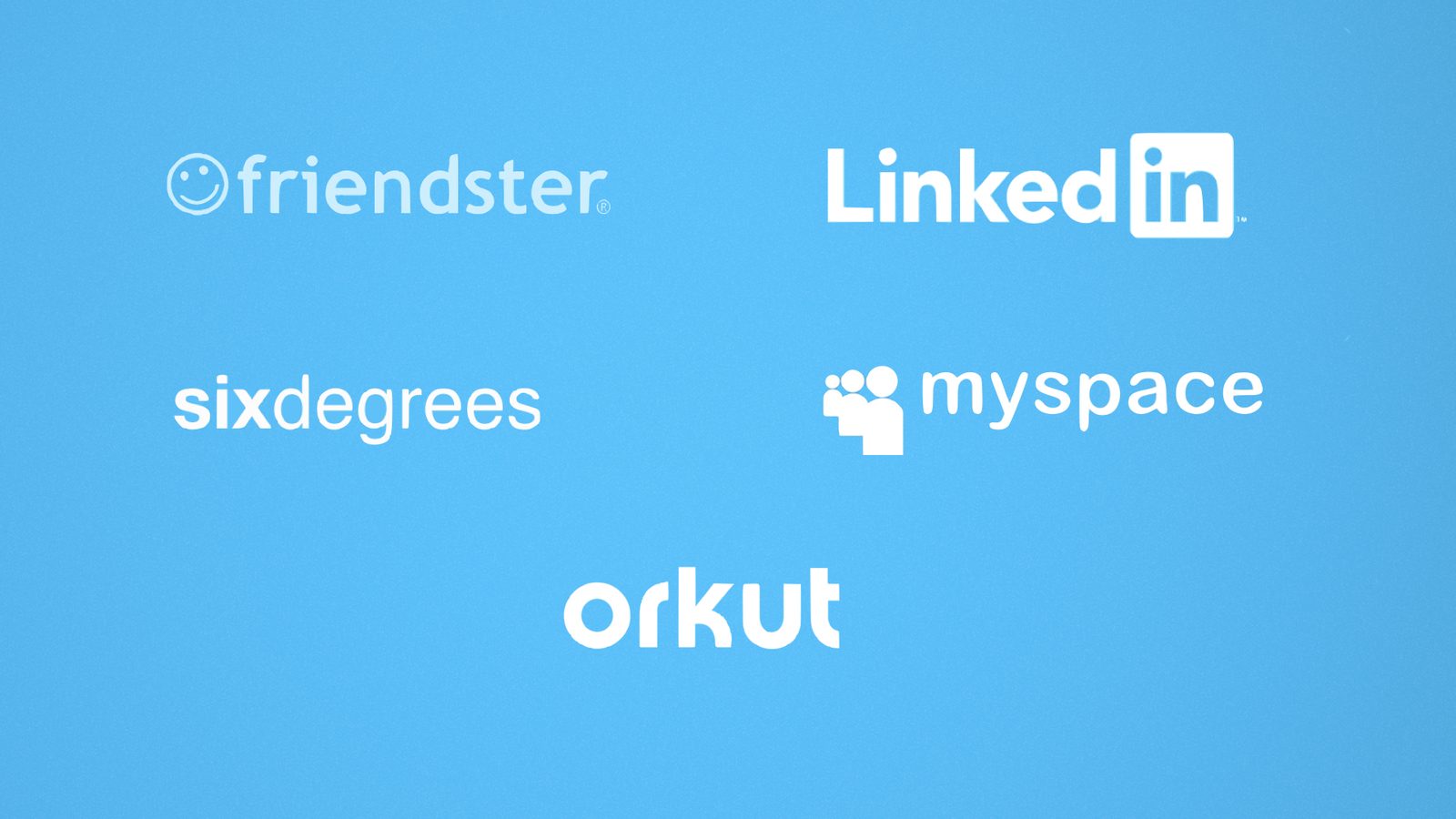
Every single one of these social networks above existed before Facebook - Six Degrees, Friendster, MySpace, Orkut and Linked In - all of which had concepts of friends or contacts, messaging, status messages etc.
This pattern is extraordinarily common in tech. It is nothing to be ashamed of at all. A really huge proportion of the time, a lot of the conceptual labour of a product has been done elsewhere, but there is just one or two small things, or a little extra work that has to be done before you find the product that will take off at scale.

In this case, a lot of these products had found the tech, many of them had found some value to offer their users, and some were really starting to get some traction, but Facebook and Instagram just got a bit further and found the value and the joy in these interactions. More importantly, they found the business model - a planet of people’s data perfect to advertise against. And with that in place, they were able to accelerate and grow and change more and more quickly.
These are substantial innovations which took the product from a novelty into one of the biggest platforms on the planet. They shouldn’t be under-estimated for a moment. But again, this isn’t divine inspiration. This is JUST. WORK.
Here’s another one - stumbling upon one idea when you’re working hard on another.
This guy, Stewart Butterfield, the co-founder of both Flickr and Slack, is the king of this. He is the Lord of Pivots!
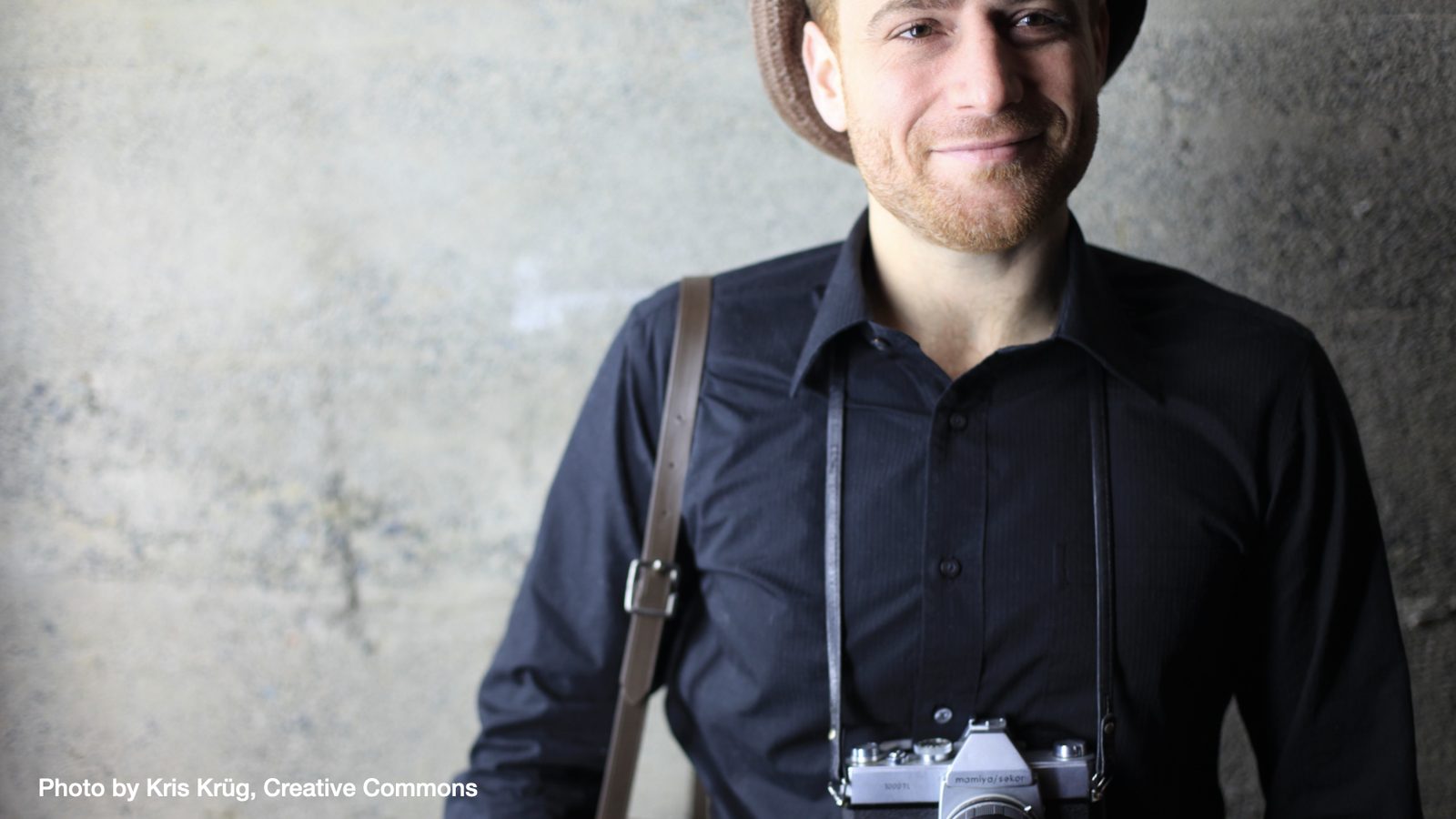
Now this is a pretty well known set of stories in tech, so I won’t belabour them. But in essence both Flickr and Slack started off with Stewart and his team attempting to build a web-based game. GameNeverEnding started as game where you could share real world media assets, and when that didn’t get any traction, they focused on the sharing and turned it gradually into Flickr.
The second game was called Glitch - again a web-based multiplayer game environment. This time they had a lot more funding and did some pretty deep and interesting modern work, but again, great as it was, it didn’t take off with the general public.
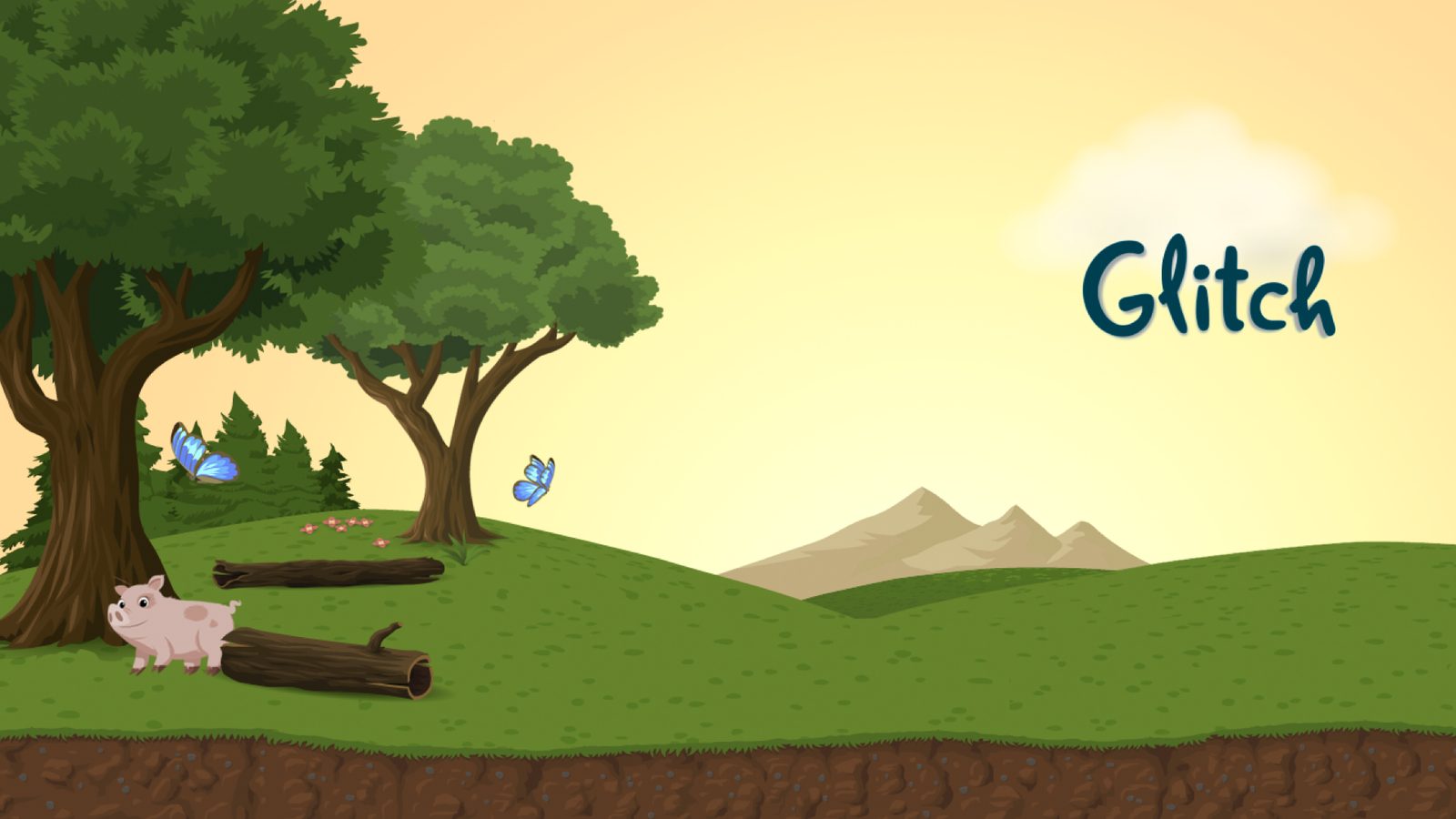
This time the game had been built on a solid infrastructure of real-time tech. They were using the same tech, behind the scenes, for their team to coordinate and connect with one another. Effectively, behind the scenes they’d built a rough and ready version of Slack.

When it became clear that Glitch itself was not going to be enormously successful, they started looking for another product, and came around to the idea of turning this workplace collaboration software that they’d already built behind the scenes for their own work into a business.
Even that idea wasn’t that new - teams I’ve worked on have been using IRC based tools and chat in tech workplaces since the early 2000s, but Slack did the extra work to make it smooth, simply, classy and easy for everyone to use. As a result, you’ve got one of the world’s largest and fastest growing ever start-ups.

On our Venn again - a product that has some clarity on user need and technology, and just needs a lot of polish and then - more importantly - a hell of a lot of work on how to market and sell it. I think we can all agree they knocked it out of the park. But again and again, the more you dig into them, there’s little or no sense of magic or divine revelation. What there is is smart, insightful people, doing work.
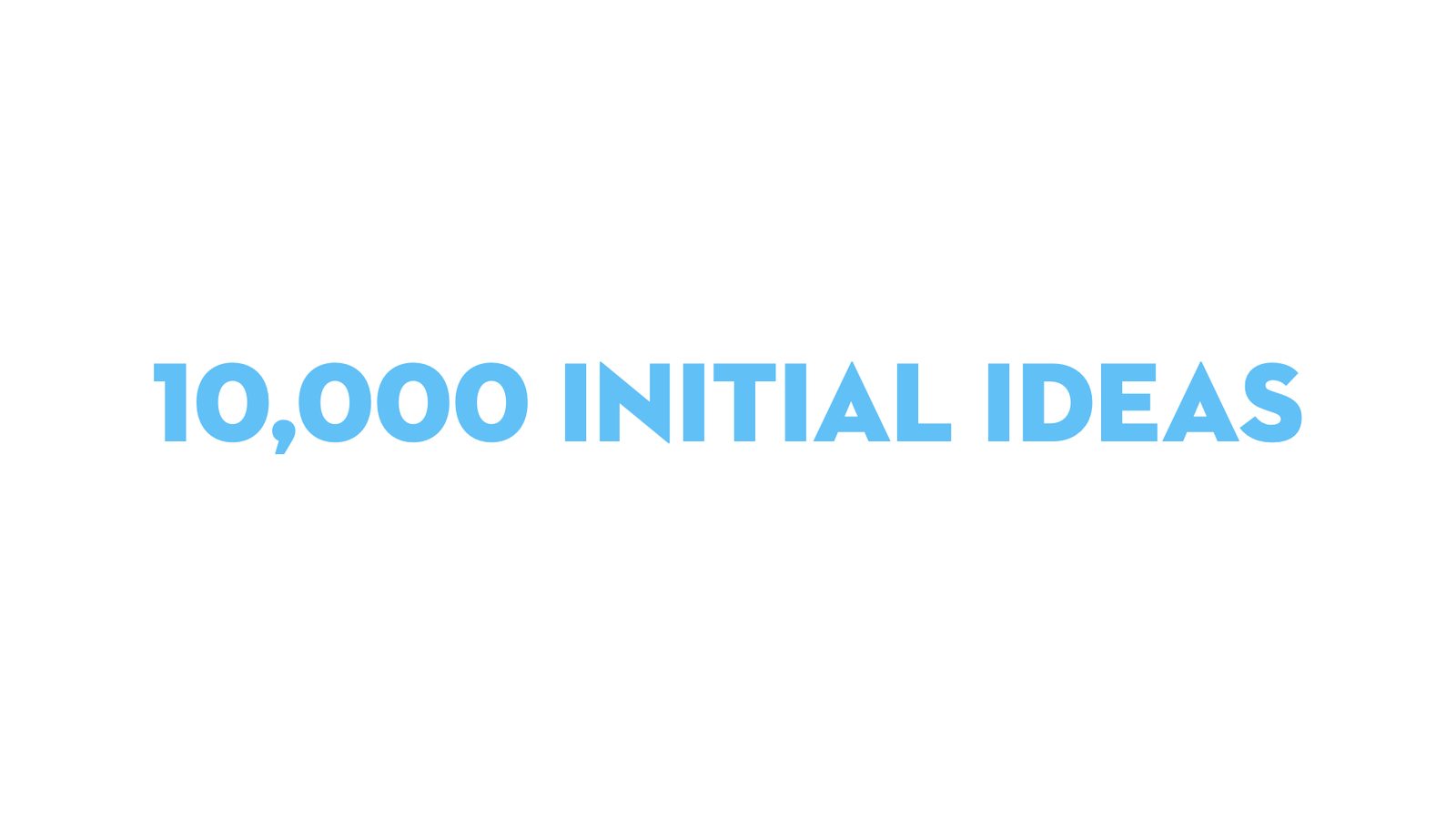
Let’s imagine for a moment that there are ten thousand people out there who have an idea.
And for the sake of argument, let’s say it’s basically the first idea that’s popped into their heads in the morning and they’re working alone.
And then they each spend the next month creating a pitch for that idea and then they go and pitch them to VCs.

Let’s assume that the VCs are feeling comfortable giving out money and so of the 10,000 start- ups that come through the door after reviewing them, they fund 100 of them. That’s one in a hundred. I actually think that’s a bit on the generous side but let’s go with it.
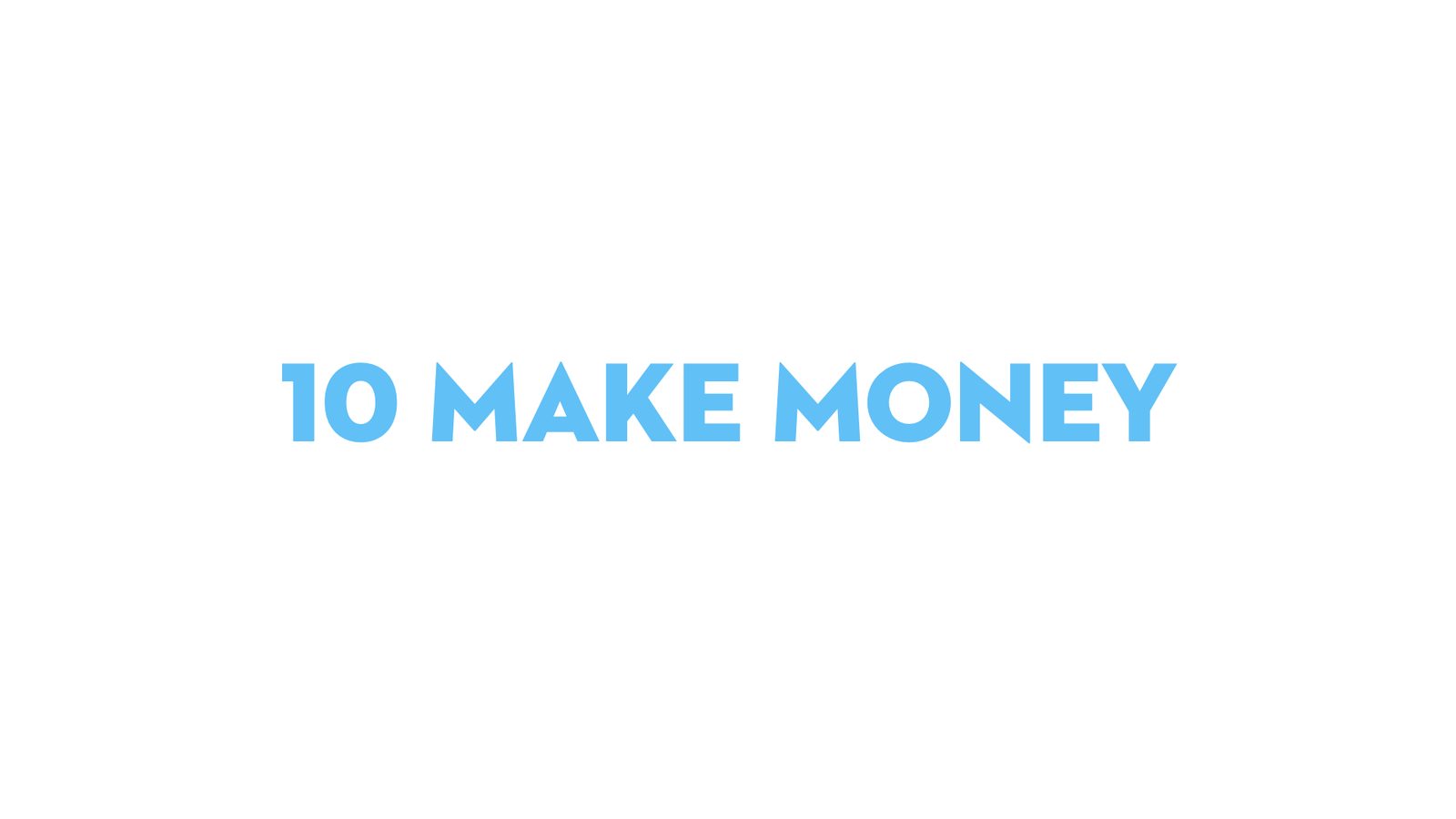
And now lets assume that founder sticks to their original idea, yet the normal attrition rate holds - only around one in ten of those projects will make substantial money back. That’s pretty normal for a VC - 90% will die on the vine.
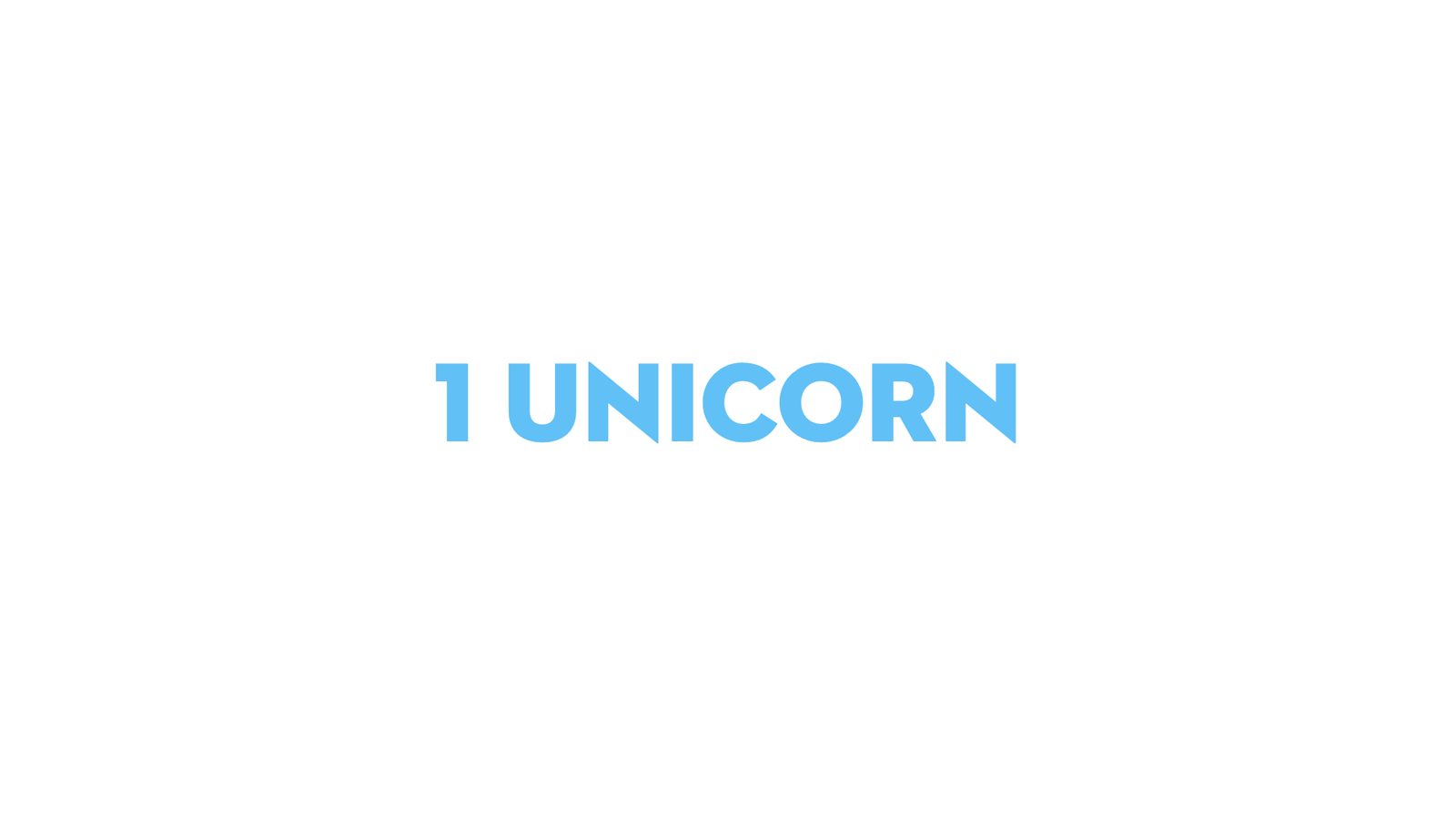
And of those ten, ONE of those products is a true unicorn and it makes an absolute fortune. It is a world-changing company.
If the CEO of that one company looks back at how they came up with the idea that started their company they’d be quite within their rights to say, “It was the first idea that popped into my head in the morning”. And it would be true. So where is the work?
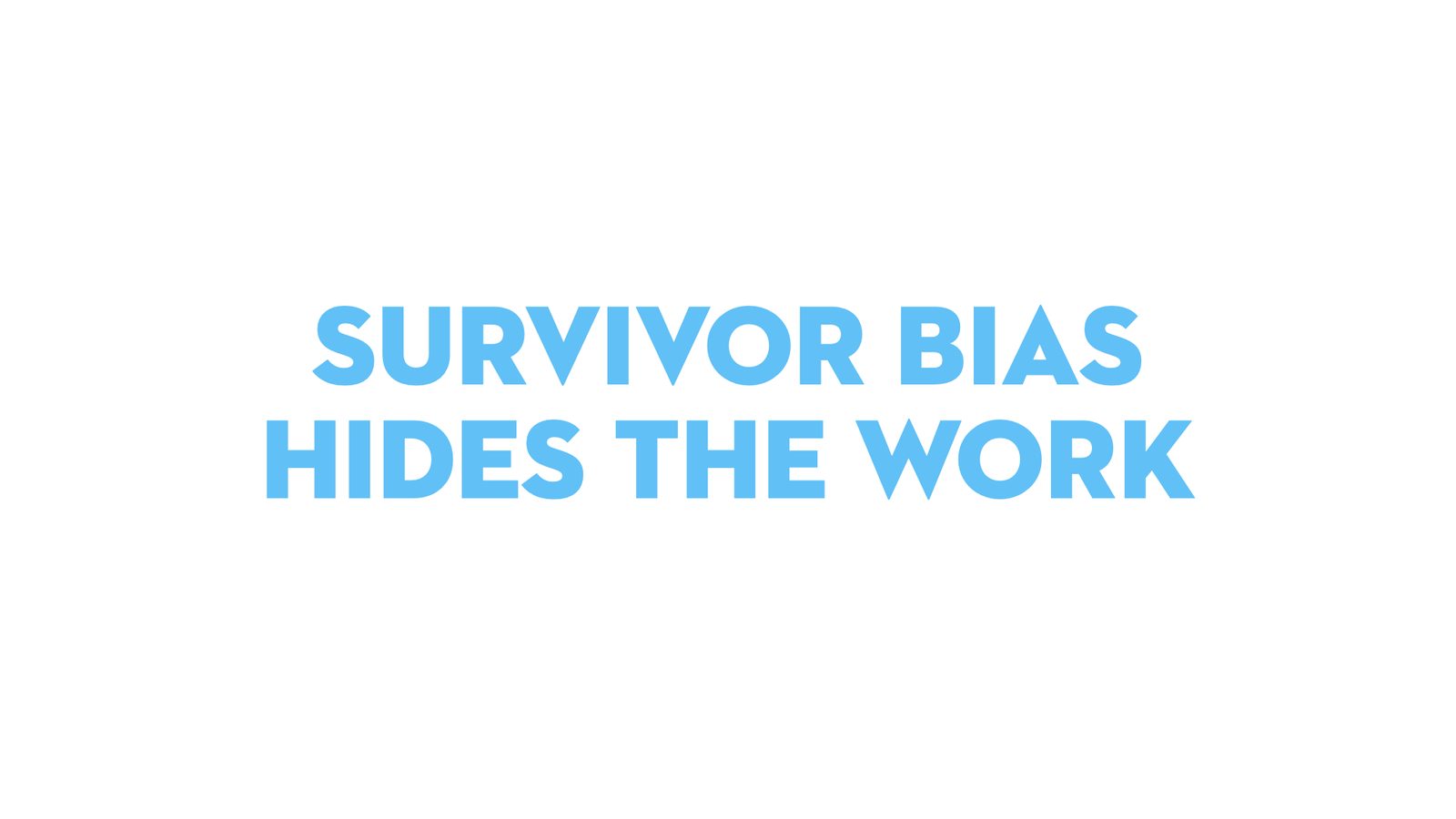
Well of course, in this case, the work is being hidden by Survivor bias. You don’t see all the work that happened in the system to generate that one idea. You only see that one person who had a great idea and turned it into a huge and successful product. And so the easiest conclusion to come to is that that founder was just somehow spectacularly brilliant.
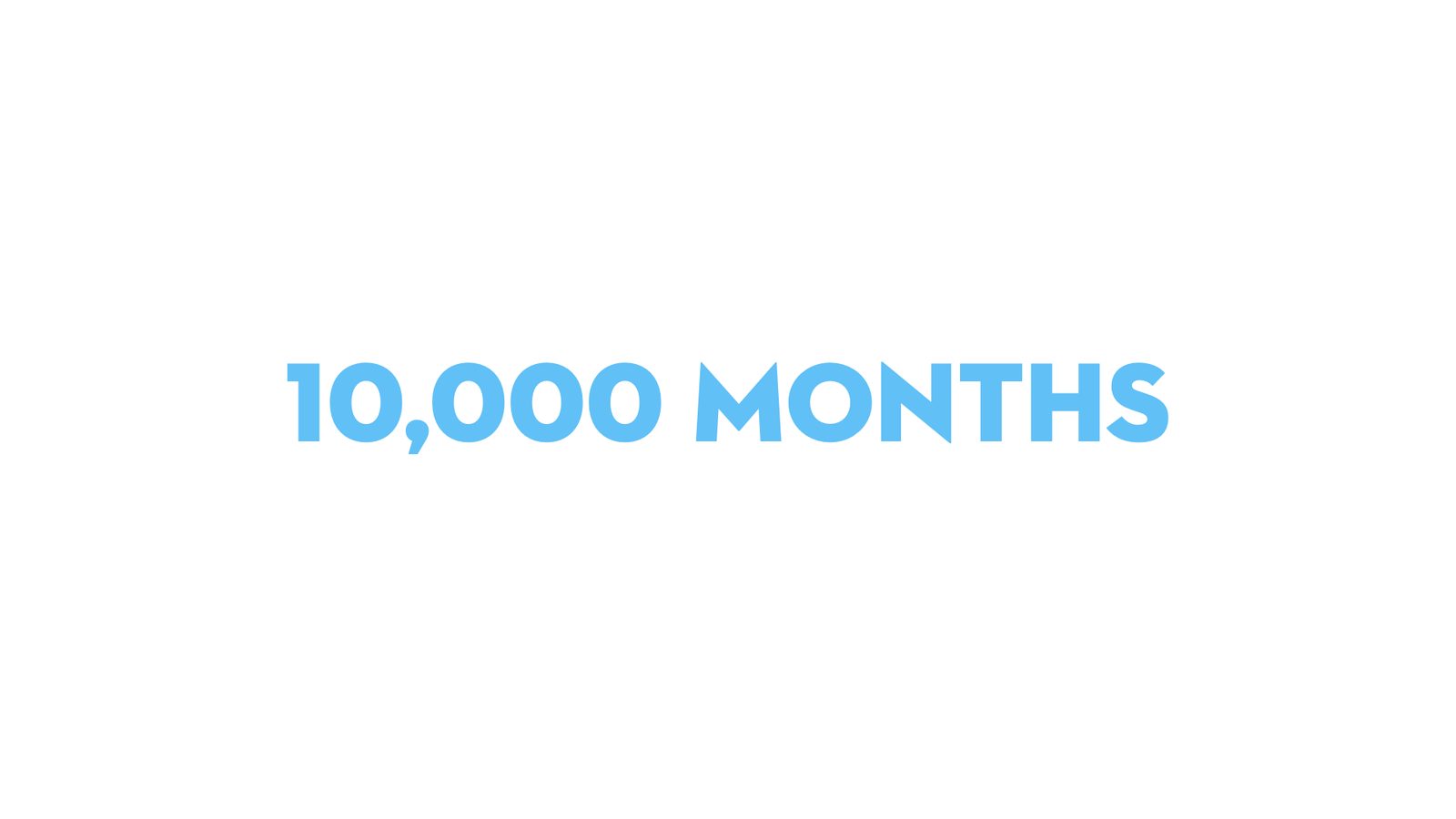
But here’s the actual work that idea took, if you combine it with every other product that didn’t make the grade. The hidden work here is TEN THOUSAND MONTHS of people’s time, spread across all of those ideas.
Or to put it another way, that’s …
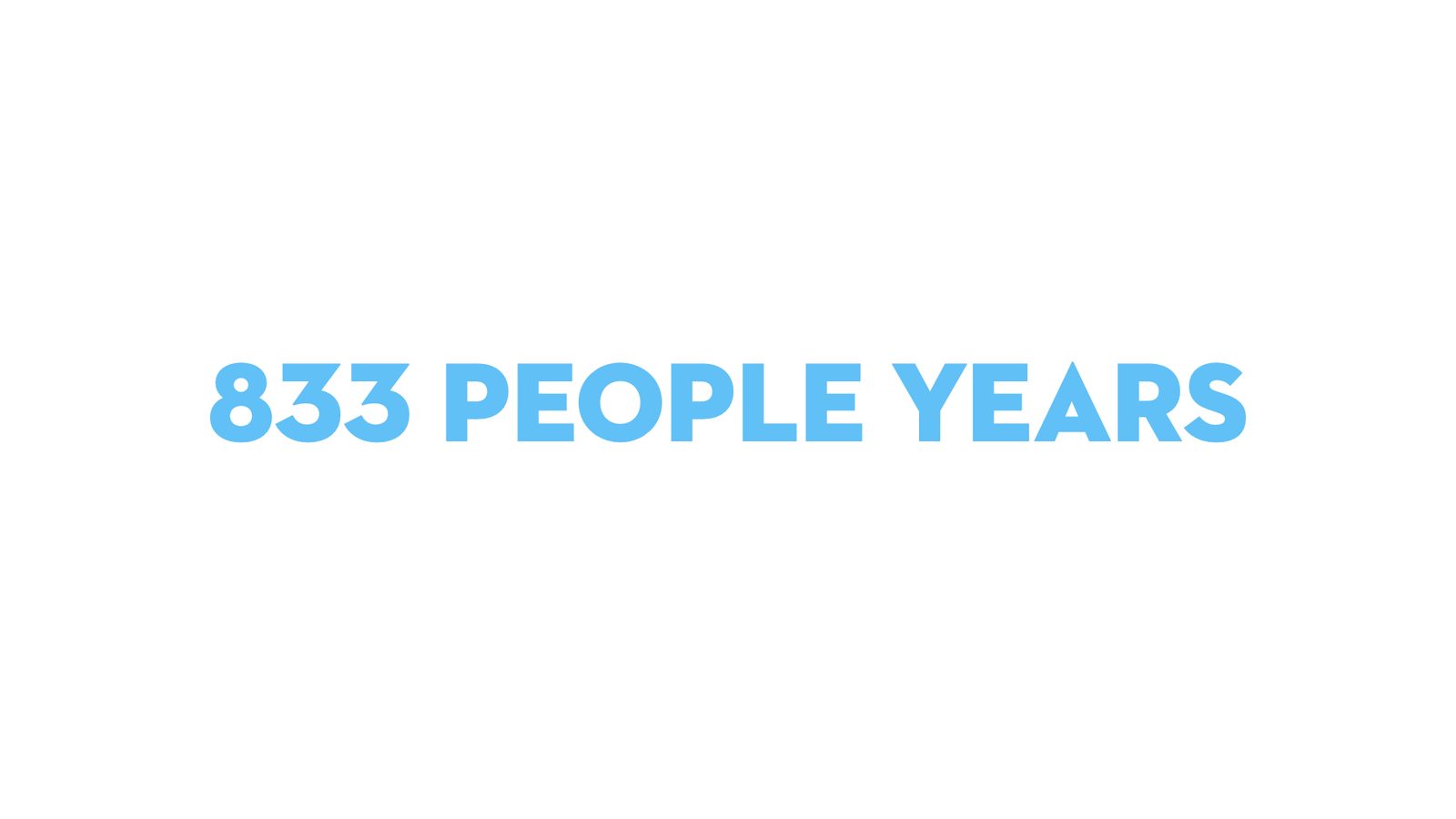
Eight hundred and thirty three people YEARS of labour to create that idea.
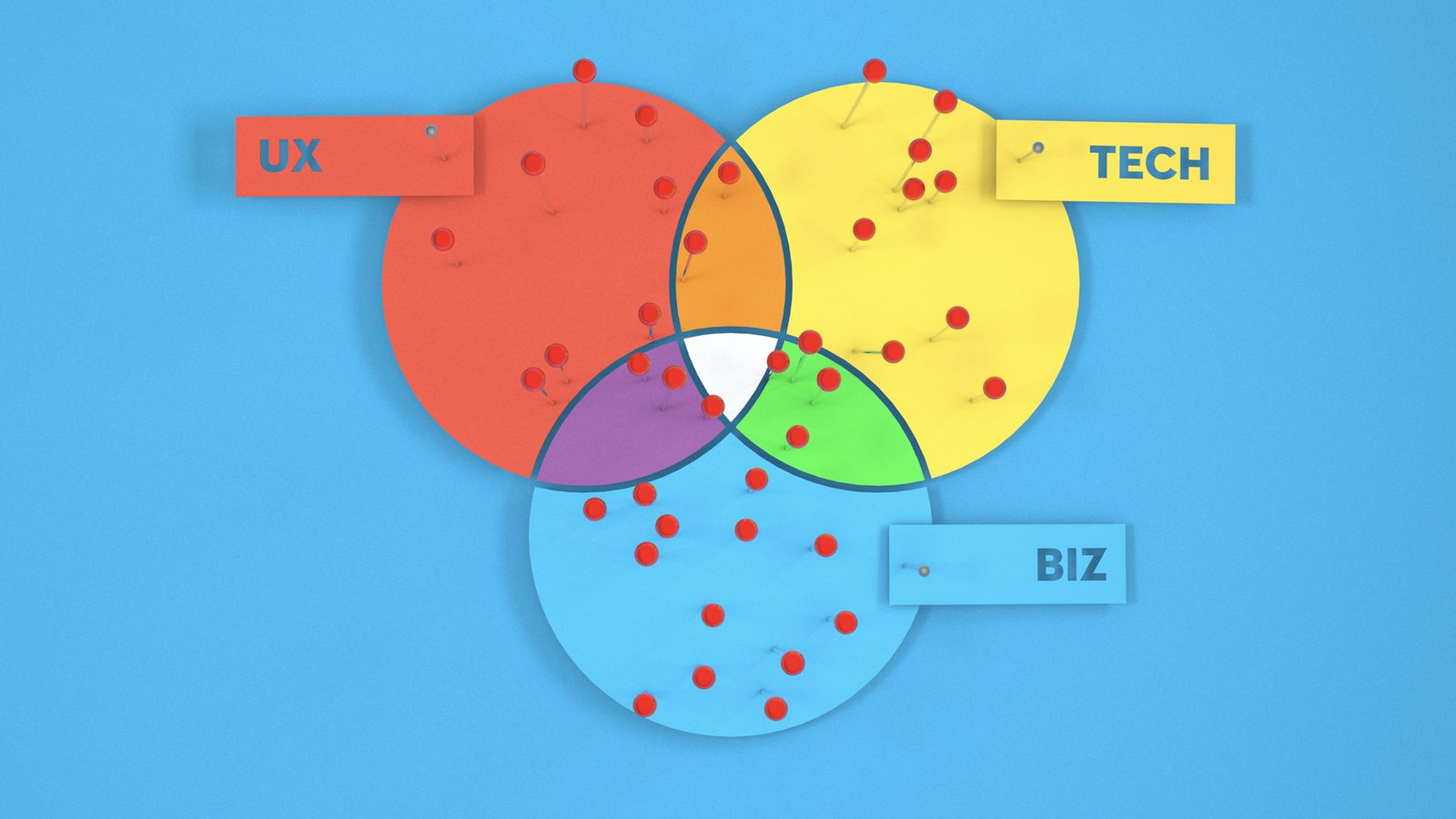
Tech as an industry effectively works by having entrepreneurs brute force ideas for VCs to pick through. Effectively a whole bunch of people come in with products at different levels of development and usefulness, and the VCs sort of just find the ones they think have most chance of reaching the middle.

I mean, it’s basically just the Hunger Games.
Okay, that’s maybe overplaying it a bit. It’s a process that works pretty well for them, and is honestly not a bad way for a society collectively to come up with ideas.
I would point out, it doesn’t work at all well inside companies - and I would strongly suggest to people who think about intrepreneurs and internal VCs to remember this - because you simply cannot simply brute force your way to a successful product idea if you’re paying every single person’s wages. You can’t just throw money to fund a thousand ideas and wait to see which ones stick. So successful companies interrogate the ideas, they explore them, they evaluate them and try to make an effort to find the right thing to invest in.
I would add trusting to chance is a pretty terrible model to rely on if you’re doing a start-up or thinking of something fun to build as well, because for the one unicorn and nine other successful products, there are 9989 ideas that don’t get anywhere. And odds are, if you take this approach, one of those duds will be your idea.
So look, again, this is a highly stylized example. And in the real world, founders are creative. Founders work hard. Some people are cleverer than others. Some people work harder than others.
People do the work. To make their idea better than other peoples’. They want to maximize the likelihood of being in that top ten, and minimize the likelihood of being in the rest.
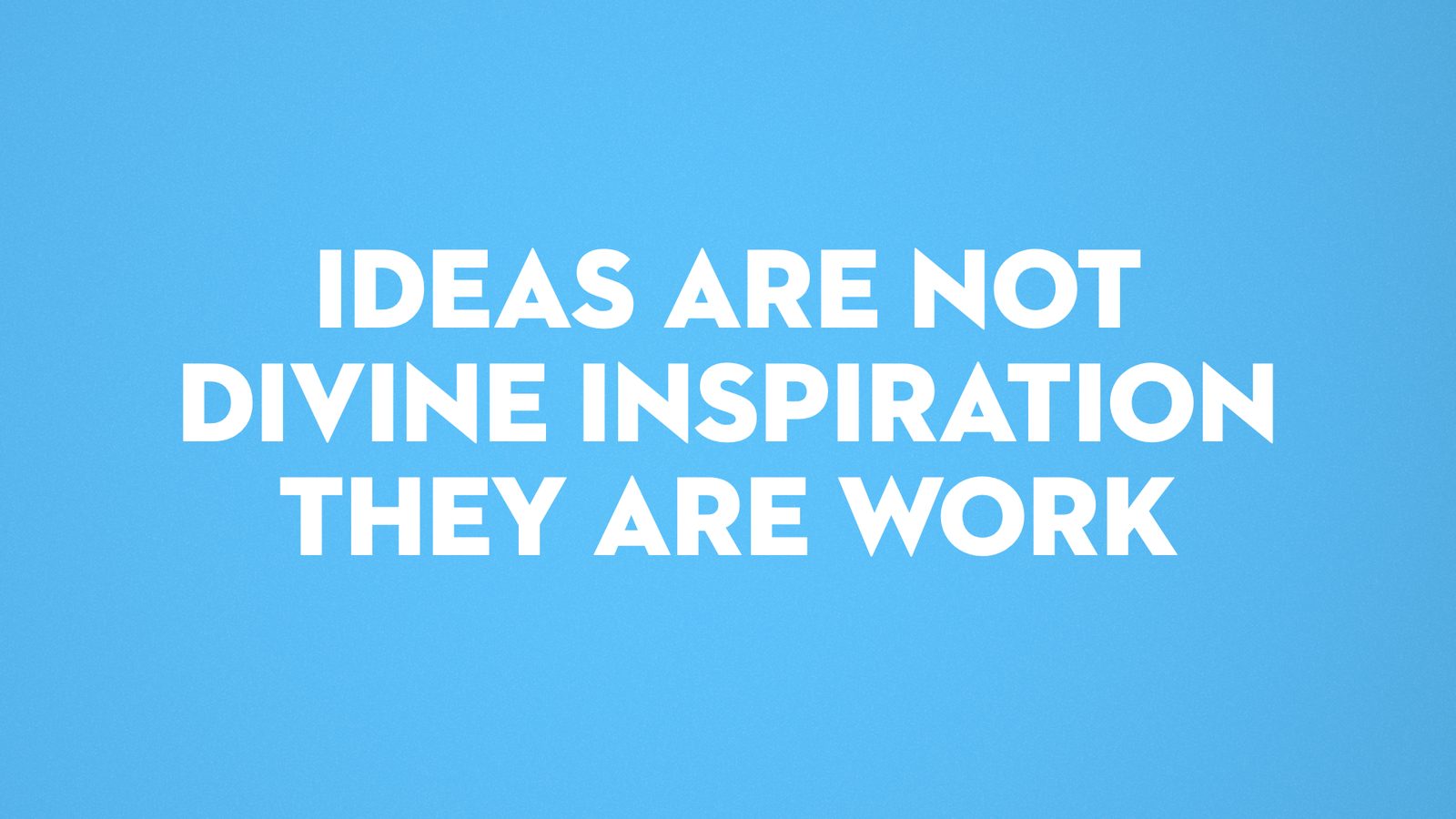
But that’s my point - the whole point I’ve been trying to make - and I will say it yet again, one more time. Even in the most extreme circumstance you can imagine, coming up with successful projects is not divine inspiration, it’s work. Somewhere in the system work is being done.
But let’s be clear - work isn’t bad. Work is great. If it’s work it means it’s not only available to demi-gods. It means that any of us can do it. That means that its within all of our reach. And personally I find that pretty inspiring.
Okay, part four and we are over halfway through now. We’ve determined that finding an idea is work. So how do you go about doing that work.
The truth is there are an infinite number of ways to approach basic ideation. But I’m going to show you a couple of ways that I’ve had success with personally.

I start off with what I call ‘Territories’, but really I just mean some core user need, or business opportunity or technology that seems exciting.
I don’t like to start by leaping to fully formed ideas, because I feel like it skips a whole range of peripheral scouting work. You never know if the idea you’ve got is right or if it’s right next to an idea that’s a hundred times better - that is unless you put the whole area under a little pressure to see what comes out.
So if you have an idea you’re obsessed with, don’t throw it away, but maybe park it for a bit and come back to it a little later through this process.
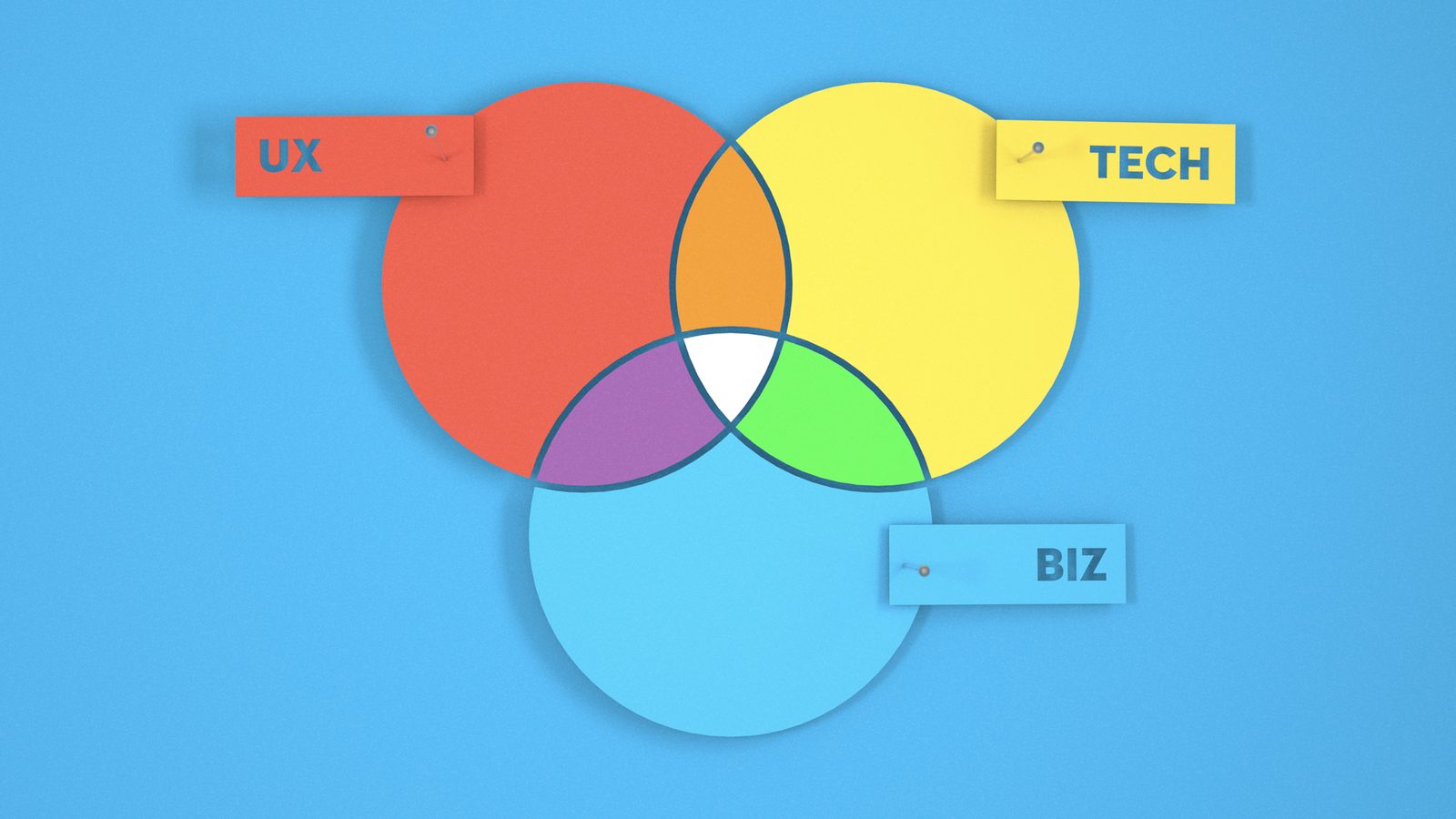
As I showed earlier, the seed of a good product idea can come from any discipline, and they often start off half or quarter formed lurking somewhere out there in the weeds. As I said, you can sort of summarize these as a user need or problem, a new technology in search of application or a new business model or market. These are the kinds of things I think of as a territory.
Let me give you some examples:

An example of a user problem that has emerged over the last few years is, “Fake News” - literally people constructing totally artificial news stories to trigger dissent and fury, to get shared a lot and in turn make a lot of advertising money. That’s a clear problem. Solving that might be a good starting point to find a new product. The core idea here would be “A product that helps people determine whether news is true or not”. That’s it. It makes no statements at all about how it might be built or how it might make money.
Meanwhile a new technology has emerged over the last few years that I don’t know if you’ve heard of.
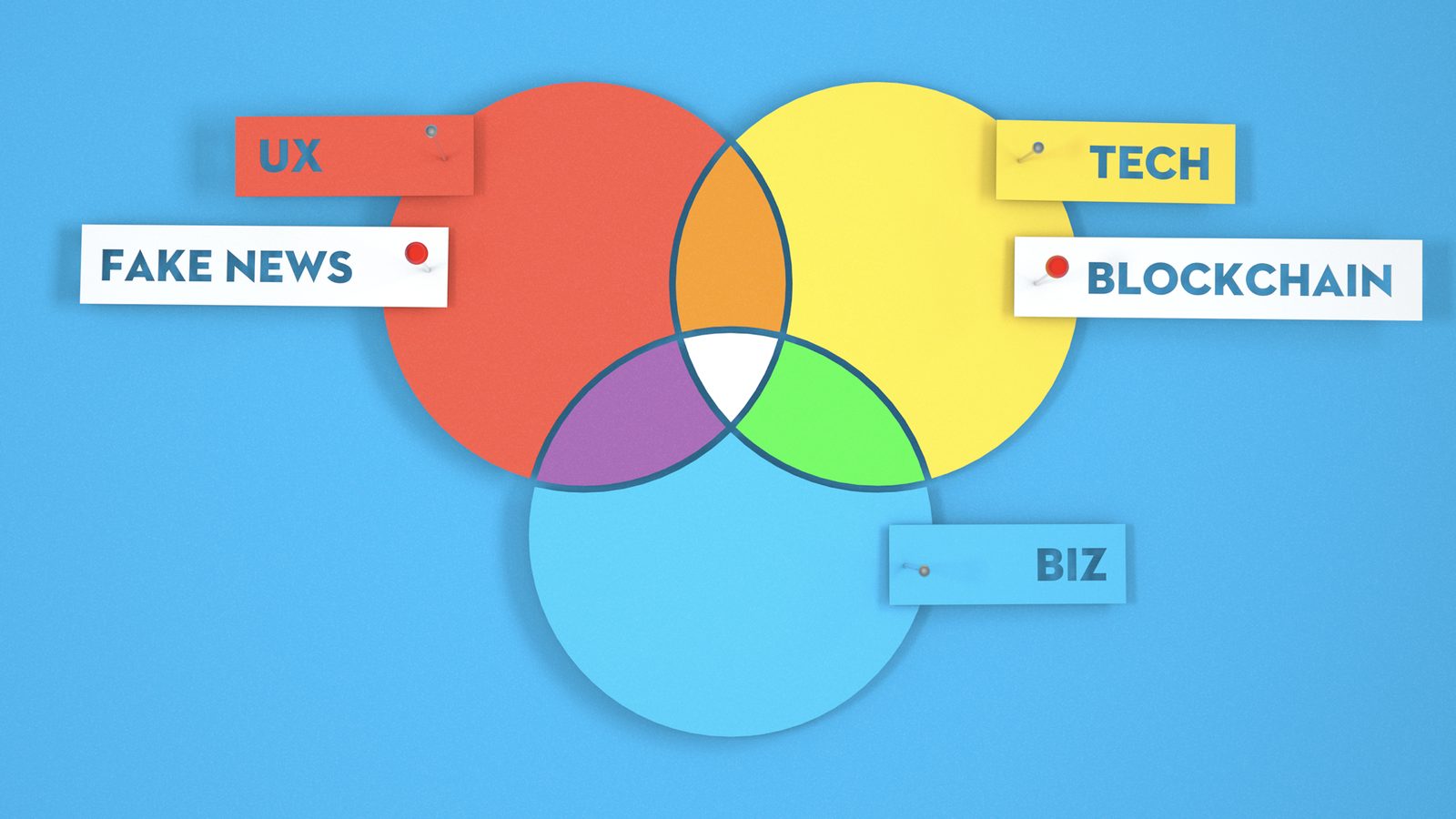
I’m not quite sure how you pronounce it. Maybe it’s French? Block-shan, Maybe. I dunno.
Anyway, the blockchain affords secure distributed ledgers - and the possibility of services being completely decentralized without much in the way of central control. That’s an interesting territory. So if you start there, the question is - what can you do with it? What real-world problems can it solve. And where is the money? This again, is a territory - a starting point. It’s not a realized idea, it’s a launchpad.
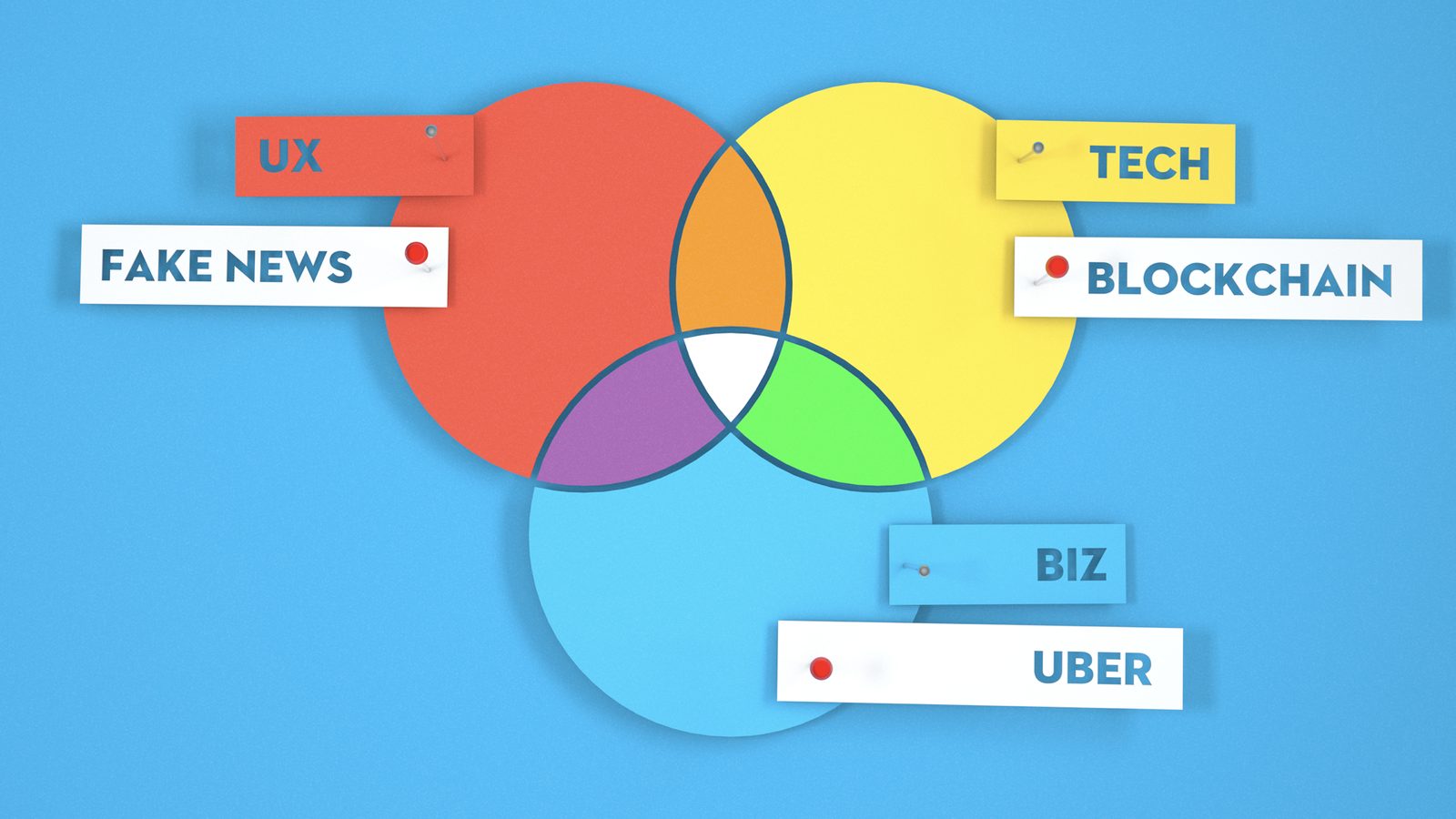
Meanwhile, on the Business side a few years ago Uber emerged as a good example of a transformative business model. And so a couple of years ago we were seeing people left right and centre brute forcing that problem space, looking for the ‘Uber of Shopping’, ‘Uber of Air Travel’, ‘Uber of Existential Dread’ etc.
Uber is interesting because you can think about its core idea in a couple of ways - you can think of it as a new way to distribute or deliver things, by spinning up transport. Or you can think of it as a way to make your time or your property available to other people on demand. Either, frankly, is a great starting point, a great territory to work from.

So the first thing I like to do is try and find some good territories. And there’s a process I’ve been using a while that I find pretty good for this kind of stuff. It works far better with a group of people, but you can do it by yourself if you want. It normally takes about a day to find some good territories that are worth further exploration.
A
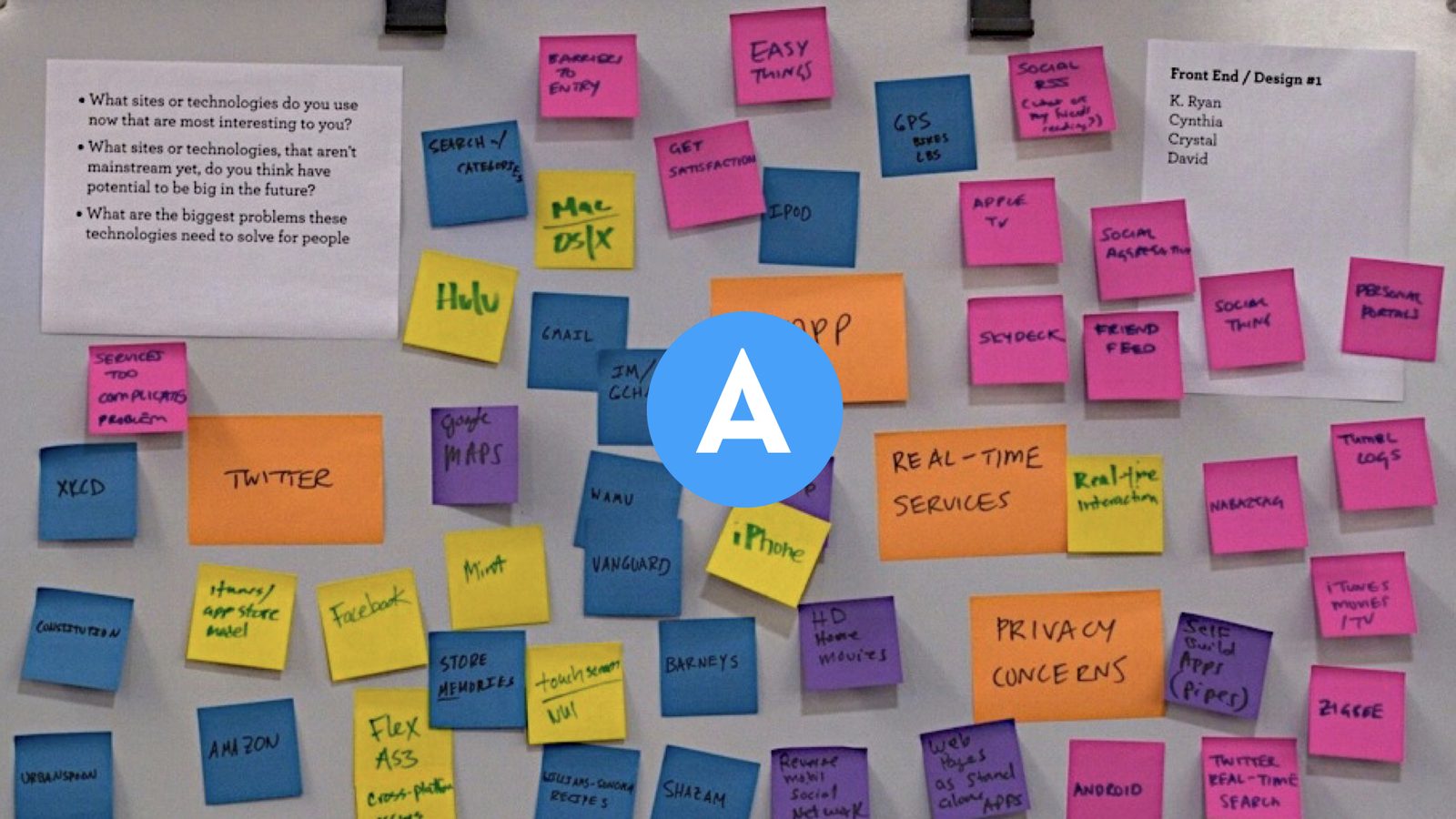
The first part of this process is very simple - you spend a couple of hours with a white board and a bunch of post-its and you just put up every single thing that is interesting you in tech at the moment.
It’s really important as always to have someone representing UX, the business and technology doing this with you if you can. Or, if you are forced to do it alone, to force yourself to think about it from multiple perspectives. Either way, this will work much better if you’re well informed and keeping up with what’s going on in the world.

I like to put up a bunch of core questions to start the process and they’re all generally pretty simple to answer. Having multiple people collaborating helps you trigger ideas in each other.
After a little while - normally somewhere between twenty and forty minutes or so, people start running dry of things to write down. The ideas they’ve written down will obviously and necessarily be focused around some of their interests, but that’s good - there’s absolutely nothing wrong with following your passions and finding things that you’re interested in. You’re also more likely to find something that you’re interested in working on.
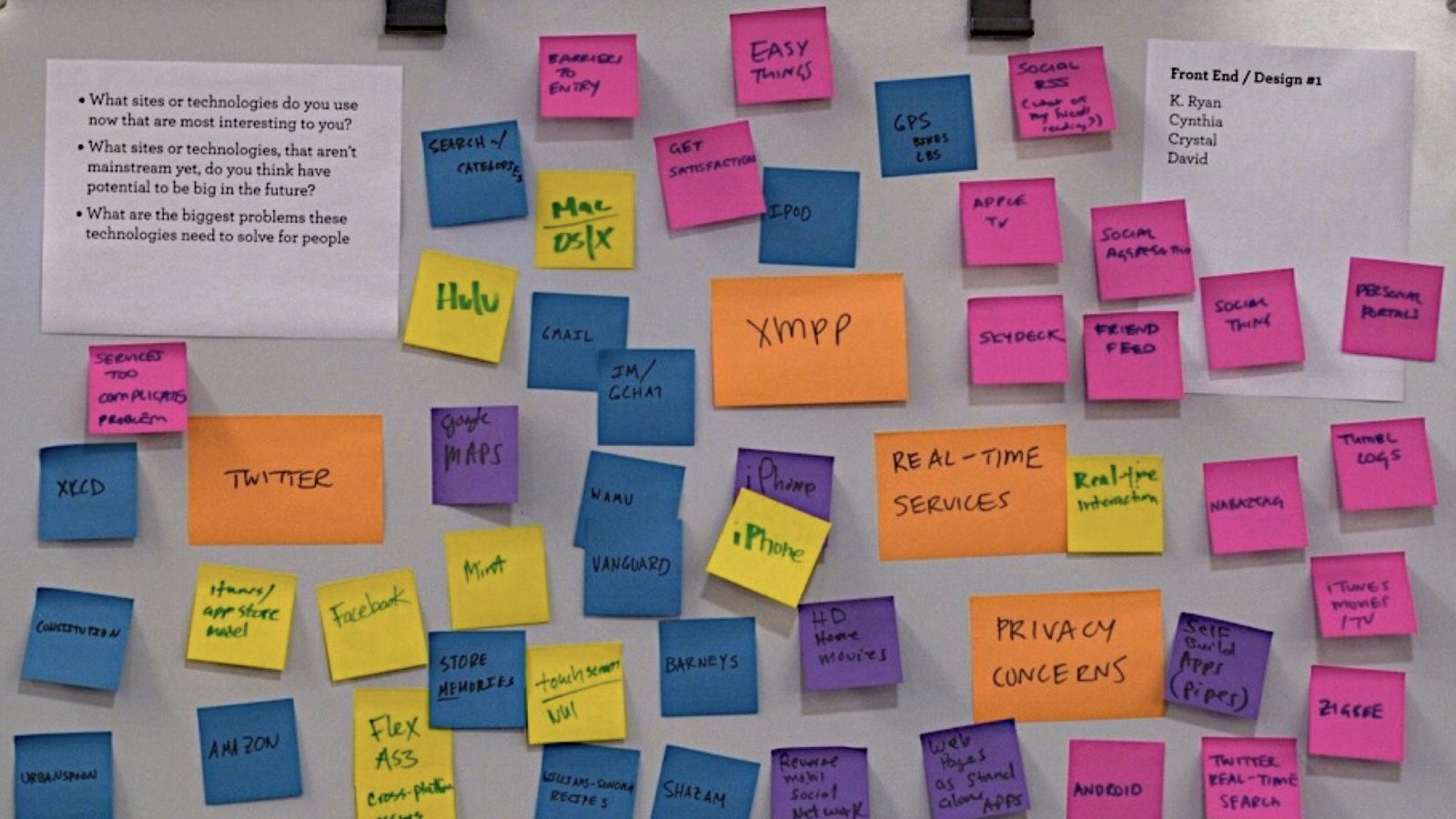
This image by the way is from a version of this process I ran about a decade ago inside a large company. That’s because it’s probably old enough now that I don’t have to worry too much about giving away any of the IP or ideas that we came up with.
I think it’s interesting as a picture of the time. People mentioning technologies like XMPP, which was a kind of live streaming messaging platform now used in a whole range of products. There’s the beginning of a recognition that privacy was going to be an issue and that perhaps people could build better services around privacy. That feels very topical today. There’s all kinds of stuff on here that’s fun - I was surprised to see Hulu on there, for example, that had literally just launched a decade ago and wasn’t at all a big thing.
And there’s a really interesting set of things where people are reacting to Twitter - talking about super easy services with incredibly low barriers to entry. That still feels dynamic and interesting today.
The second part of the process is just to explain to each other what you’ve chosen and why. This may seem trivial, but I think it’s really important.
First - and obviously - it’s because if you have a diverse group of people, they probably won’t have heard of all the things that are being discussed. And by bouncing ideas like this off each other, you often spark new thoughts. Creativity is often triggered by collisions like this.
Secondly, and more importantly, it forces you to think about what it is about the thing you’ve chosen interests you. Telling someone else about it really helps you figure out your own opinions or reasons.
Once you’ve talked each of the things you’ve chosen, start grouping them together by what was interesting about them. Normally you’ll find that things really do cluster pretty well. Some things will end up being in more than one bin. Gradually you’ll start to see some shapes and forms emerging.
These themes are your territories.
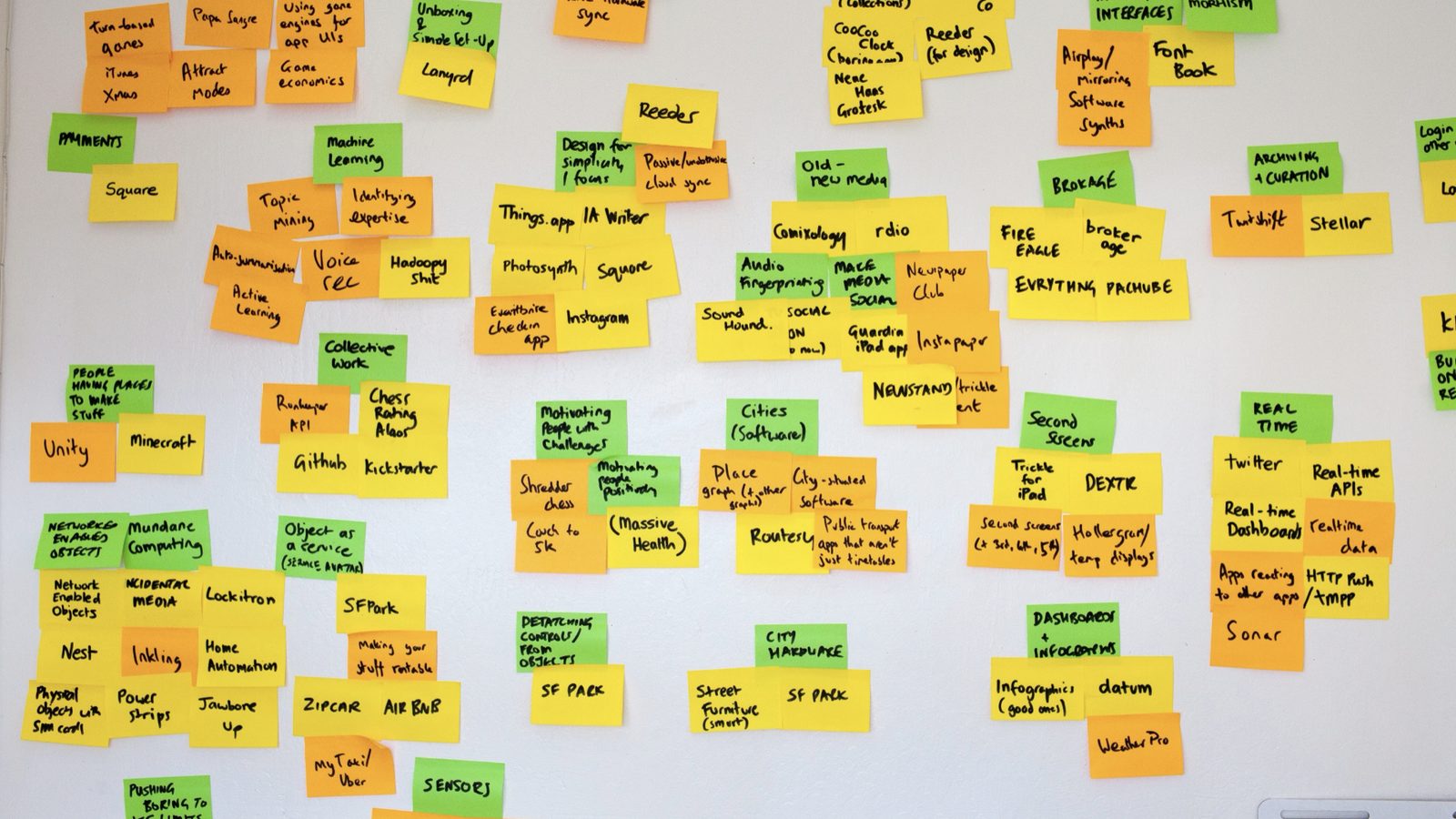
This is what the process looked like when we were working on Thington.
Zooming in a bit you can see we were pretty interested in Network Connected Objects, and the Internet of Things. And we grouped those into a bundle. But there’s some other interesting stuff in there too - something we were calling, “Objects as a service” which is sort of the Uber idea - that you can spin up a car at a moment’s notice that then disappears again into the ether once you’re done with it.
This next one might seem a bit random, but I think it’s actually one of the most important things you can do at this stage.
Depending how many territories you’ve got, start off with the ones that you’re most initially interested in as a group and start throwing around ideas of products - purely conversationally - that you could build based around that idea.
Feel free to smash together the territory you’re exploring with ideas triggered by any of the other ideas you’ve discussed. Again, collision and recombination is the surest way to trigger new interesting ideas.
But don’t worry too much about capturing this stuff, or getting too invested in the ideas.The point here is not to find ideas that will stick with you, but to start the process of triggering some ideas and most importantly, TO DETERMINE WHICH TERRITORIES SEEM TO BE THE MOST FERTILE AND EXCITING.
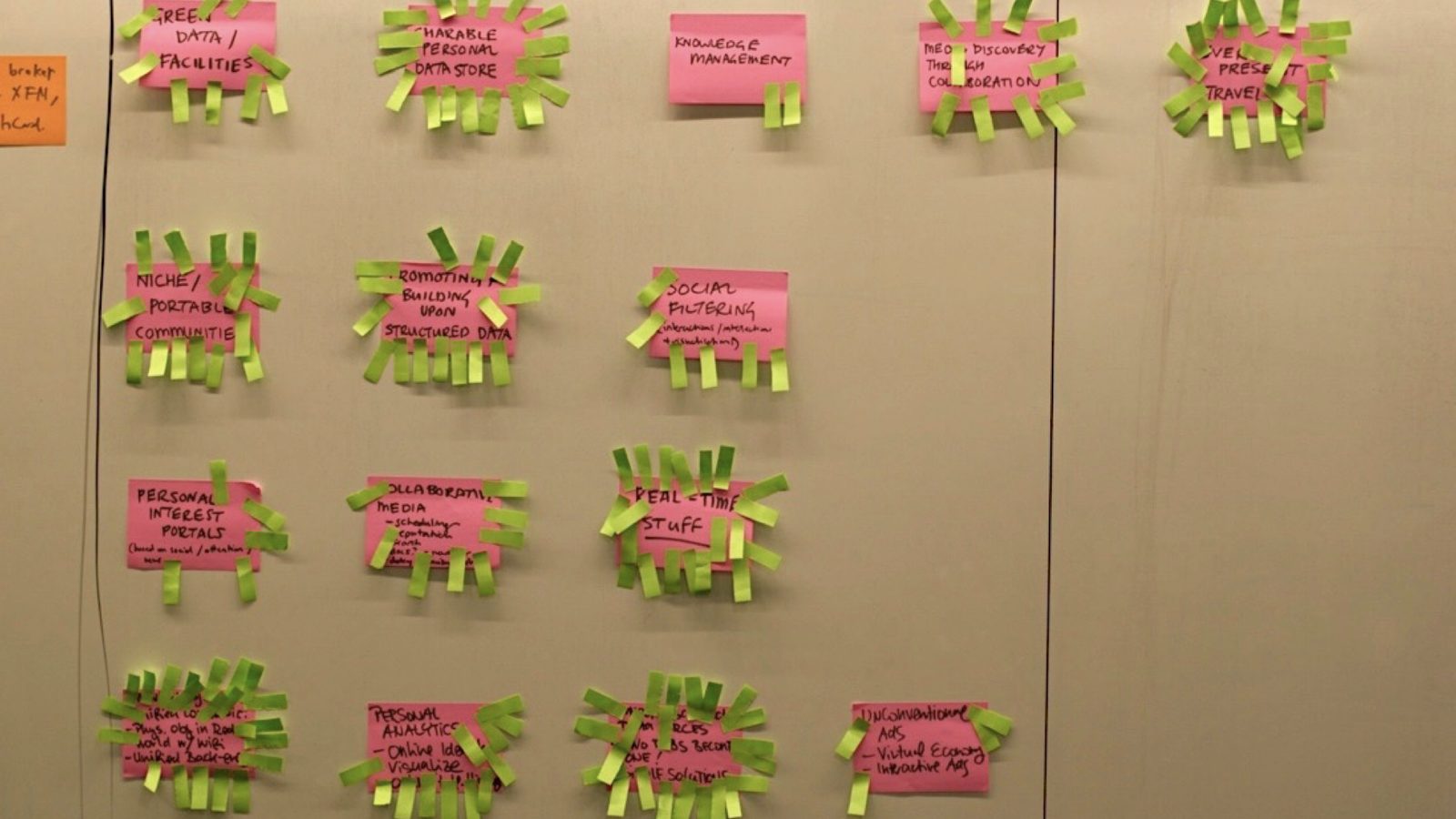
And then, process complete, as a group vote on which territories are most interesting and exciting to you as a group.
5
This is from another time I ran one of these processes. You know how these things go - effectively, everyone gets a bunch of slips to vote on and they put them against any project they think is interesting as many or as few times as they’d like, based on which ones they think are most exciting or have the most potential or would want to go forward with.
If I’d done this now, I’d probably have given each team slightly different colors so we could see which ones had a dominance of user-focused thinking versus business. But you know, you live and learn.
And once you’ve done this you’re done. You have some territories to start playing with.

For extra credit, if you want, once everyone has gone home, you can write up your territories into clear one pagers. I think I tend to think in words and arguments and so I find this stuff very useful. But your mileage may vary.

These are examples, again from around around a decade ago.
Each of these projects had a very clear and simple description of the kind of thing that we were talking about, some of the example products that had come up in the conversation and then some core questions for each one that we thought needed to be answered. We also kept track of how many people had said they were excited in each one.
In this case, we did a second round of evaluations to prioritize things. Again it was a multi- discipline team of myself, the CTO and the head of business in the team giving each territory a rating for which areas we thought had the most potential. And we brought those ratings together and discussed them to see which territories we thought were most productive. And we were ready to go.
Now, I’ve talked about this at length, so this may seem like it was quite an involved process, but honestly from starting the process to having decided the top five or six territories we were really excited by, this process took two days. One day for brainstorming, one day for write ups. Just because it’s work, doesn’t mean it has to take a long time.
Okay, we’re on the home stretch now, and we have some territories that we think are exciting and full of latent possibilities. So now our job is to pull out that latent possibility and focus down what we find into clear, coherent ideas. How do we do that? How do we get from a Territory to an Idea?
Well frankly, I could spend a whole talk on just this bit alone - if not a whole day. But we’re already running long, so I’m just going to give you a few headlines that have worked for me.

Once you’ve got your territories and you’ve prioritized them, this is the time to explore them.
This is an incredibly important step and if you think you’ve found an interesting territory, even if you think you know it well, spend at least a couple of weeks getting to know it more. Look at what people have been making. Look for common threads. The kinds of problems it seems to provide a solution for. It’s always best to go wide in this - don’t go in with too much a specific idea, let the ideas come to you as you explore it. Note down what you find.

If it’s a user problem that you’ve identified, investigate who has those problems, get a sense of their needs. Can you talk to them? Can you explore how other people are serving that need, if they are at all. Go and do some user research. If it’s a technology, do some code sketching, dig into it a bit. Make sure you understand the material with which you going to work. What’s it good for? What kinds of problems does it solve? If it’s a business idea or model - you should make an effort to see how it’s being applied already. Draw out some common threads, what it works for, and what it doesn’t. This is a process of feeling out the spaces.

It’s really good to get your whole team involved in this process, and they will start looking at the thing from their own perspectives.
In my experience, once you’ve been digging around in a space for a while, you’ll start to feel out the other areas from the initial territory. You’ll start to get a sense of how your territory connects with ideas in the other two. A kind of gravity will start to emerge that pulls the concept towards the center. Each territory becomes a bit of a filter on the other sections. And you’ll also start spotting some gaps and under-served areas.
I’ve found once you feel that gravity starting to form, it’s time to start trusting it, and starting to home in on the product.
Once you’ve got your head around a territory a bit - wherever disciple area it originates from - my experience is that the first step to getting towards a clear product idea is always to start focusing in on user needs.
I truly believe that you can’t truly find a product unless you’ve got all three disciplines working together, but honestly, most of the time, it’s impossible to even TALK about a product idea unless you’ve found a user need that you’re going to try and meet.
So if you’re coming in from a technology, start thinking about what kinds of problems people have that something like the Blockchain could solve or help them with. Look at the other things people are using it for and look for analogous problems that aren’t being served at the moment. If you’re coming from the tech side, it’s kind of okay at this point to hypothesize user needs without necessarily checking they’re real because your goal is to get a lot of ideas and lots of ideas that you can filter later. Trust your instincts and filter loosely as you go. See which ideas fall out.
This kind of approach has a bit of a bad rap in tech circles - but there is absolutely nothing wrong whatsoever with forcing your brain to think in unorthodox places or ways. To generate a few hundred ideas and think to yourself, “what could you do with this technology or this business model in media, or elder care or social networks”

As you start to firm up the user need stuff. Basically all this means is that you’re starting to feel connections between the user need, the technology and the business opportunity. Let me give you an example:
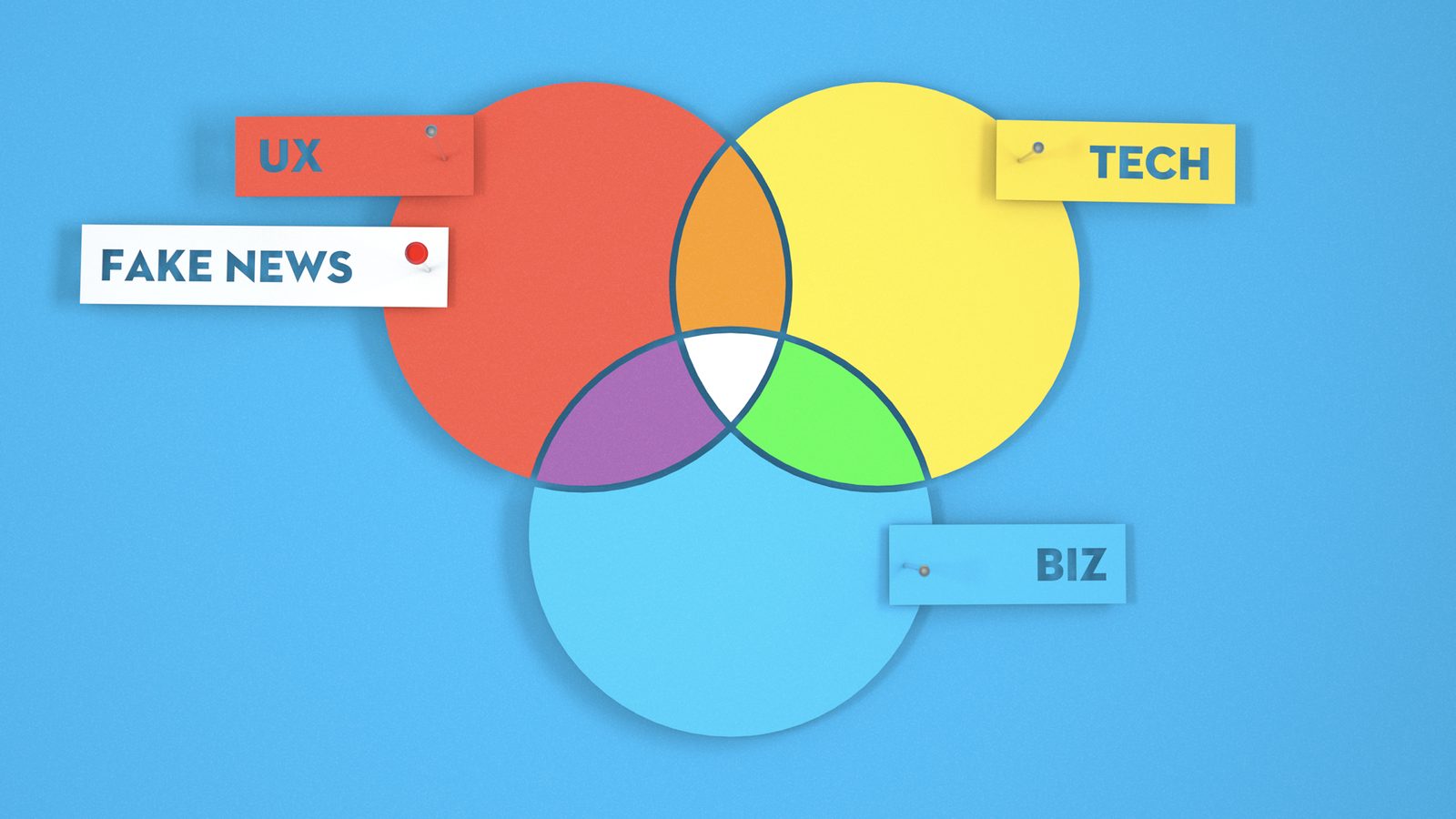
Let’s take a super quick rough example from earlier. We’ve gone and done some research on Fake News and are clear that it’s a problem. We’ve dug in and we know which types of people have this problem. We’ve determined that there are actually a few different groups who would want help with fake news - individuals for one, and maybe companies that distribute that information for another - say a social network, or a search engine.
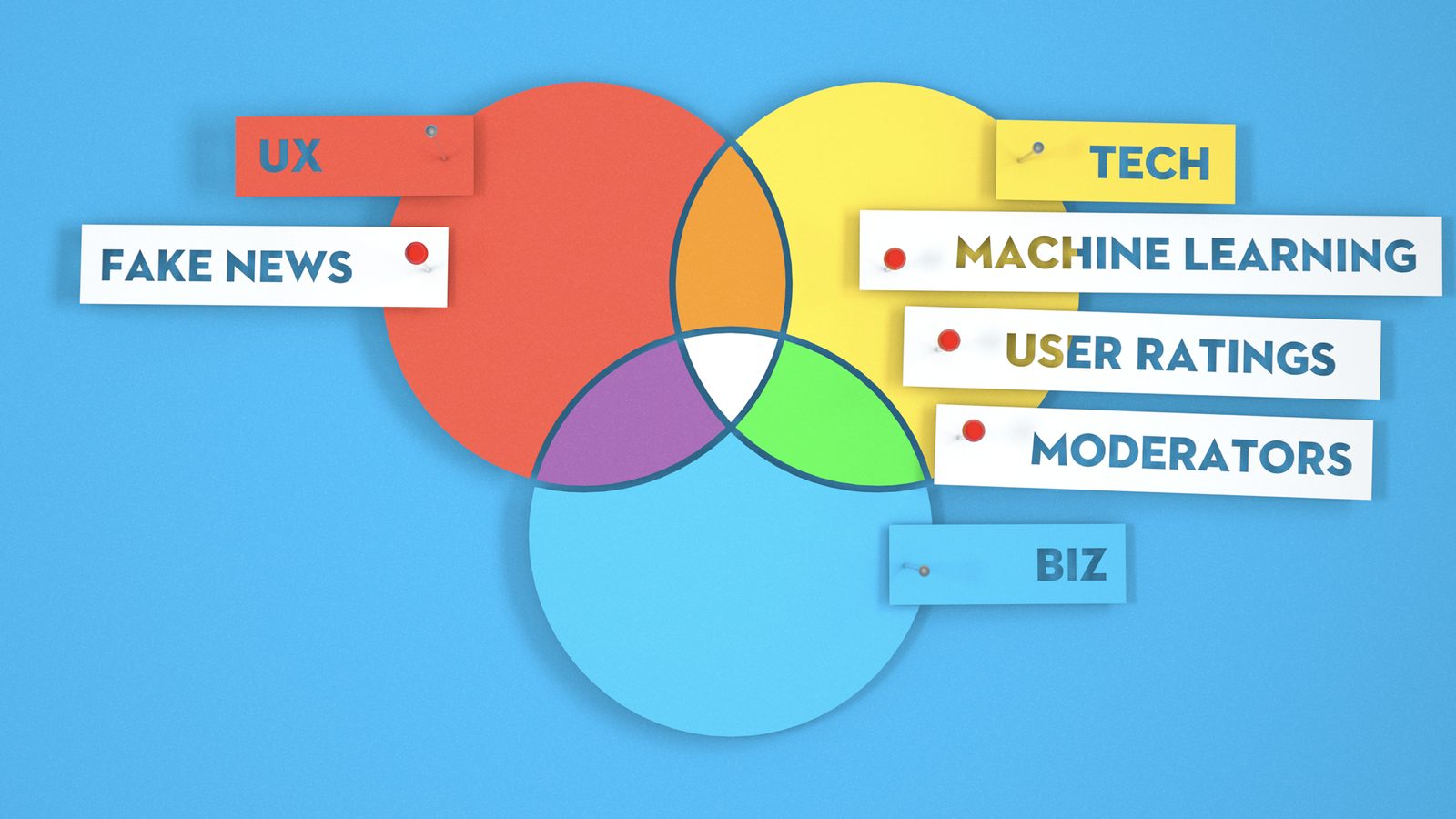
After a while you’ve started to reach out around Fake News and started to feel out the technologies or approaches that could help you solve the problem. You could build a system of tools for centralized moderators to filter and parse information that comes in. Or you could build a system of weighted user ratings that determine how trustworthy or how controversial a piece of news is. Or you could build a corpus of real and fake news and train an ML algorithm to spot the bad stuff.
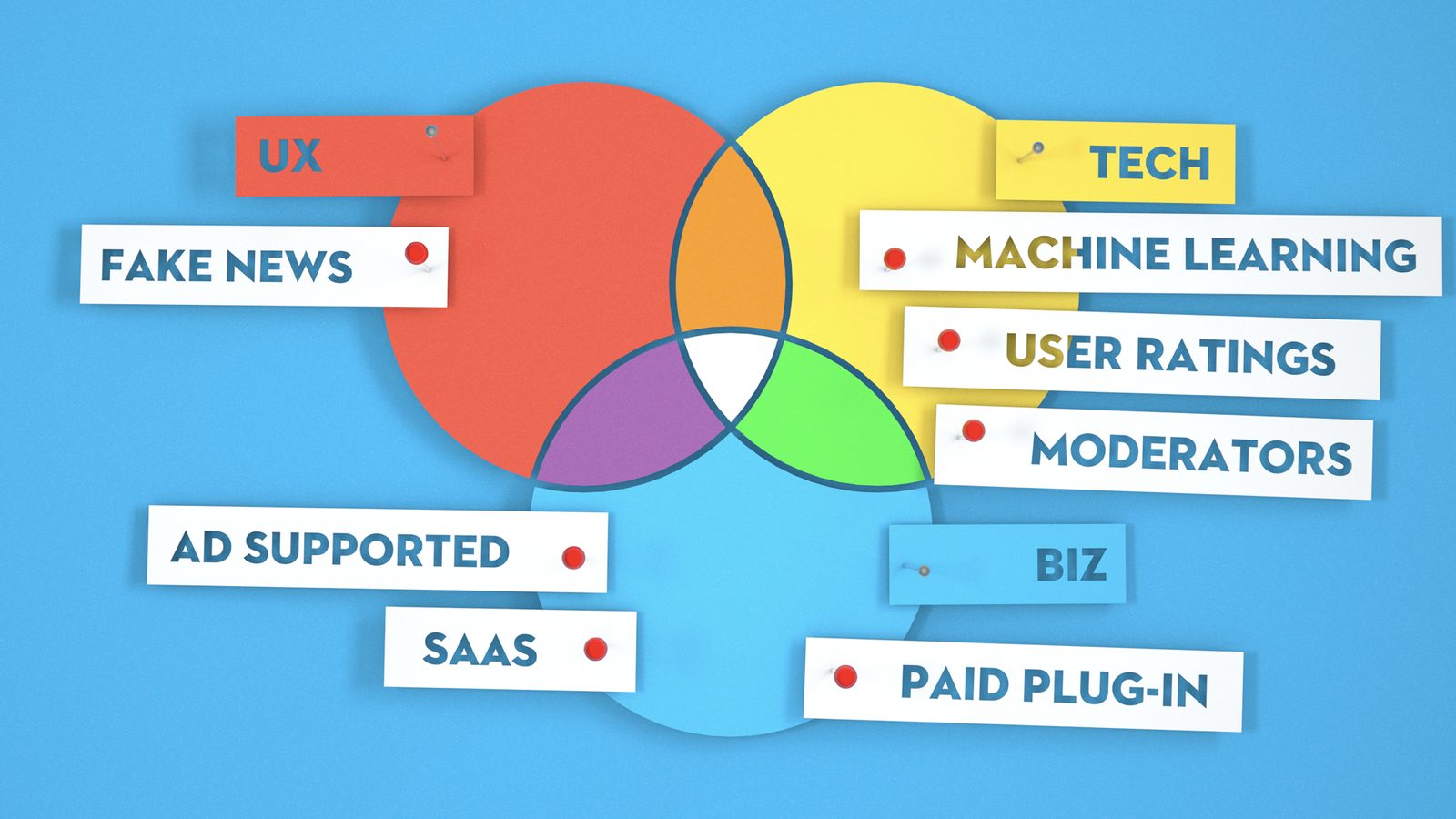
And as you start digging into how you could fund the project you come up with a few sets of ideas - an ad supported website or app, a paid-for plug-in or service that sits in your browser, or a software as a service approach that you can offer to third parties.
Each combination of User Need, Technology and Business model represents a potential product, and each will feel really different - a paid plug-in using user ratings is very very different from a software as a service machine learning product. Just in this simple description here there are nine possible products.

During this kind of process you’re hopefully pulling out loads of approaches, many ideas that you’re meshing and merging with your initial territory. So as not to get overwhelmed by them, always feel comfortable to filter them as you go. Keep the ones that seem to have the most potential, even in this slightly superficial form you’re operating in.
As always, ideally this is a multi-disciplinary process. So filtering by the instincts and experience of your team is a good way to go. Within not too long, you should be able to come up with a comparatively short list of product ideas you think have potential - each with a user need or problem, a technological approach and a hypothetical business model.
Your final stage is to check they’re real, test they work and fill in the remaining detail.
So go out into the world and talk to the people who would be paying for the service. Go back to your user needs and find some actual people to talk to about their experiences again. Check one more time that there’s a market for the product you want to sell. And more importantly, draw out some of the specifics - you know you’re meeting a user need, but can you figure out precisely how?

This is from a project I did for a client earlier this year. I’m assuming you can’t see the content too clearly, but the idea was about building new services for small business owners. We’d developed a few high level concepts, we knew there was a general user need to be met, and we thought we could build and market the thing. And frankly, we were right.
But we learned so much from this process - which particular constituency had the need, and when during their days they would most likely use the service. Their responses helped us finally prioritize the users whose needs we wanted to meet, and the features that would meet them. However clear the process was that got us here, it didn’t get real and tangible until we took it to the street.
So anyway, we’ve come so far.
- We’ve taken the things that excited us and digested them into territories.
- We’ve chosen the best territories and engaged in some research to understand them more profoundly.
- With that information in hand, we’ve focused in on a few fundamental users needs and then triangulated the best technologies and business models that could meet them.
- We’ve made some effort to understand our users, and brainstormed and prioritized the core set of features that would most effectively meet their needs.
We’ve narrowed our vision from a world of infinite product possibility down to a few clear and well articulated product ideas.
Now it’s just a question of exactly which you will decide to proceed with. At this stage, all should be relatively solid, and you should know a lot about them, so it’s difficult to make a wrong choice. But there are a few things you can do to refine them down.

Again, always, first and foremost. Over and over again. Talk to real people. Talk to people who might use your product. See what they think. Does it make sense to them?
They’ve been with you so far. They know what they’re doing. If they’re bought in, then you’re in a good place.

Is it still strong? It’s only your enthusiasm and passion for the project that will carry you through the tricky times. So choose the one you care about most.
And one more thing…
You’re at the start of a journey of exploration and discovery. So look for the project that opens the most doors. Choose the project that - once you’ve built it - you can build on top of. Look for the project that makes new things possible that weren’t possible before. In my experience the best product companies are always opening up new opportunities for themselves…

The iMac with Rip, Mix and Burn resulted in iTunes, which was needed for the iPod, which opened up the possibility of the iPhone, which resulted in the App Store, and the iPad and the HomePod and so on and so on.
Each product opened a door for the next. Whether you’re Apple or the world’s tiniest start-up, you always need something on the horizon to aspire to.
So think about all of that, then simply, make a decision and commit.
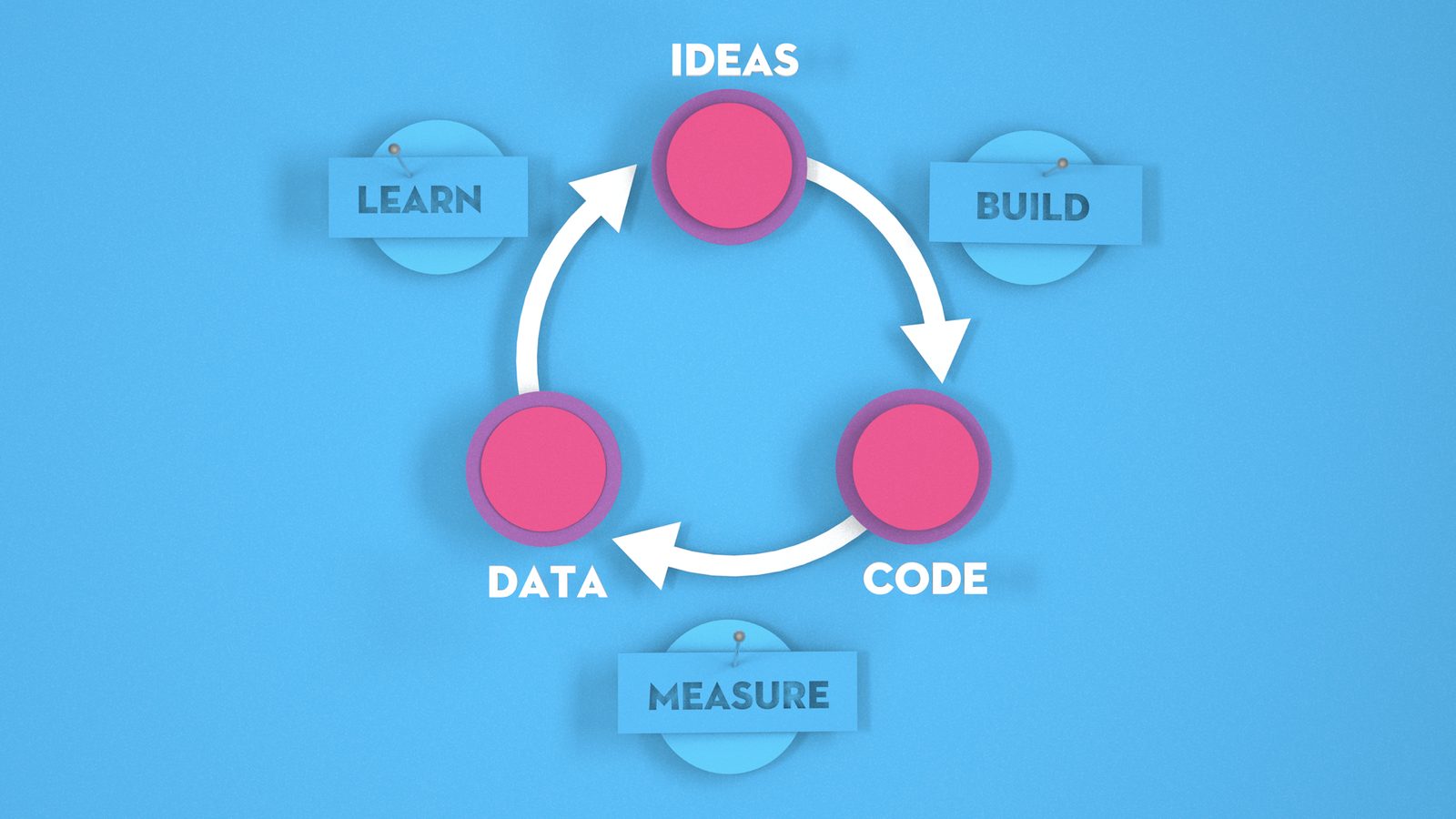
Because the truth is that this is always the beginning of a larger process, however close you get, you’ll still have more to learn. You’re starting a job of work that will lead you to introducing your idea to the public, and from that point on you will never stop learning and changing and evolving it.

Because the truth is you NEVER STOP FINDING THE PRODUCT. And that’s okay. In fact, it’s great. Our work evolves and pushes and changes the state of the art, contributes to the movement of the world, takes its time upon the stage and then dies, hopefully leaving ourselves and the world better for it.
It’s been bit of a hard time for tech recently - a hard time for the world too - and perhaps some of our optimism has dulled about the future we all came here to make.
But I want to be clear. I still believe in the future. I believe as long as you try to work ethically and as long as you are aware of the effects and externalities of the things you make, if you try to build things to make people’s lives better, easier, to give people super powers or find a way to delight and entertain them, then you are doing good, and tech is doing good in the world.

We are so lucky to be in the position to have power like that. And to have the opportunity to change the world for the better.
So my people, let’s spin up our ideas by the thousand and take them out into the world. And let them be all they can be. Let’s be great, importantly - let’s be good, and let’s have fun. I believe with all my soul that we can contribute to a more wonderful tomorrow. And I believe in you all too.
And with that Ladies and Gentlemen, thank you, and good night.
